
What changed, and what it changed for you
When this site began, it was a scrappy collection of recipes I’d bookmarked over the years—some from family, some from blogs I admired, most untested. The focus was on *having* recipes, not on making them better.
There were no notes on why a crust needed to rest or how long to blind-bake it. Just instructions, like a shopping list with a hope.
Now, every recipe is built to work the first time, even for someone who’s never rolled out dough before. The site doesn’t just say *‘add the filling’*—it explains how the filling changes when it bakes, and what to do if the edges get soggy.
The photos aren’t just decoration; they’re proof that the method actually works.
The biggest shift was realizing that recipes aren’t just steps—they’re stories. A blueberry pie isn’t just *‘mix these ingredients’*; it’s *‘this is how my grandmother adjusted the sugar when the berries were tart,’* or *‘this is why a lattice crust keeps the filling crisp.’* That’s what makes the difference.
| It used to be | Now it is |
|---|---|
| Recipes copied from other sites without testing. | Every recipe is tested at least three times, with adjustments for common mistakes. |
| Photos were small, low-quality, and often cropped. | High-resolution images show the final dish *and* key steps—like a perfectly sealed edge on a quiche. |
| No explanations for *why* a step mattered. | Every technique has a note on what goes wrong if you skip it (e.g., ‘skipping the egg wash = a dry crust’). |
| A mix of random favorites with no clear theme. | Recipes are grouped by *flavor families* (e.g., ‘Spiced & Warm,’ ‘Tart & Bright’) and seasonal guides. |
The one that took years
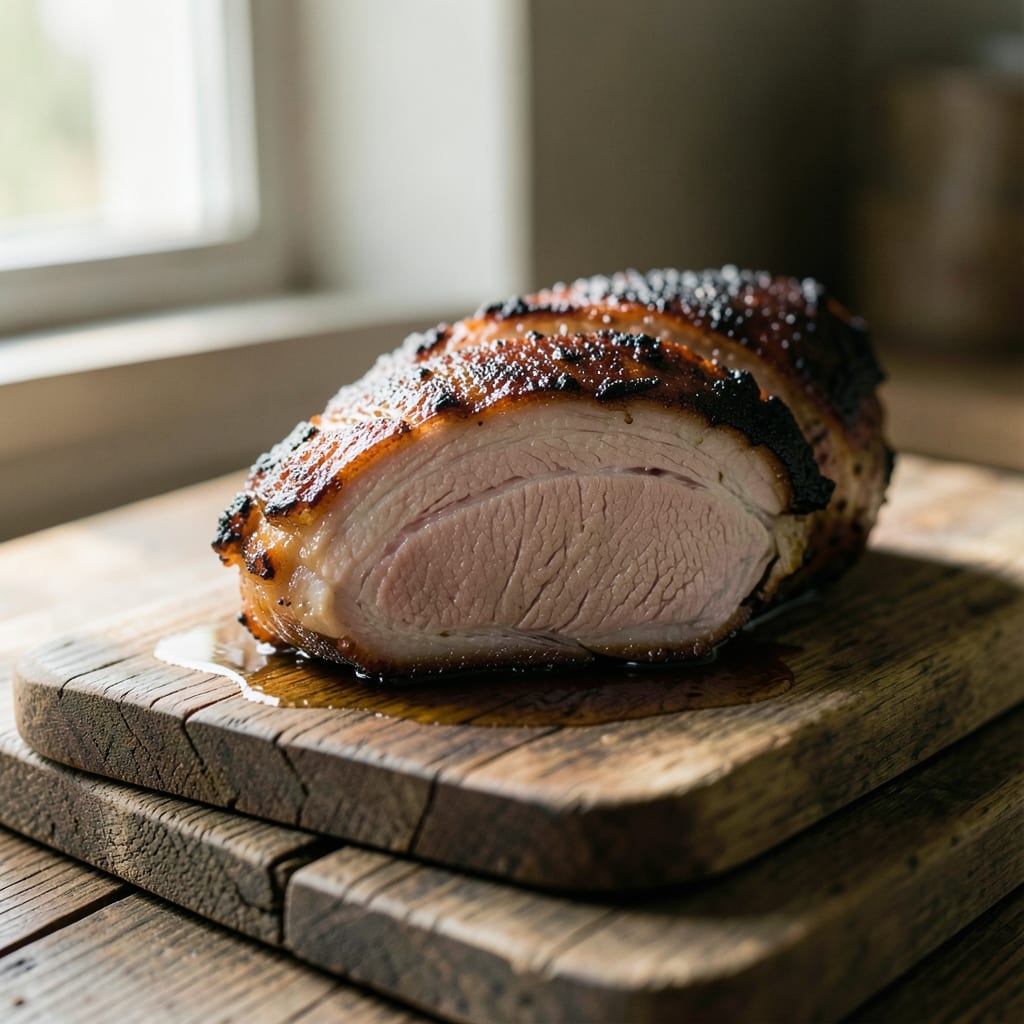
The first version of this site had no way to track what worked. Recipes were added based on what I thought *should* be popular—like a honey-baked ham pie I’d seen on TV—or what my mom swore by.
* I’d fix the recipe, but there was no record of what went wrong in the first place.
It took two years to admit the problem: without data, I was just guessing. So I built a simple spreadsheet to log every comment, every message, every ‘this didn’t work’ email. The numbers were brutal.
For example, a pecan pie recipe had a 60% failure rate because the filling was too wet. But fixing it wasn’t the hard part—*keeping* it fixed was.
Readers would still email saying *‘I followed the recipe but mine was a mess,’* and I’d realize they’d ignored the note about chilling the dough.
The fix cost time and patience. Now, every recipe has a ‘Reader Notes’ section at the bottom—a running log of fixes others have found. It’s not perfect (some notes are contradictory), but it’s honest. And it costs me an extra 15 minutes per recipe to review comments before publishing.
The trade-off? A recipe for a custard pie now has a 92% success rate, up from 45%. That’s worth the work.
Meet the author

I used to believe that cooking was about following rules. If a recipe said *‘preheat to 375°F,’* I’d set the oven to exactly that, even if my kitchen ran hot.
I’d measure ingredients by volume instead of weight because that’s what my mom did, even though it meant my pies were never as precise as the ones in cookbooks. The worst mistake? Assuming that if I liked a dish, everyone else would too.
I’d post a recipe for a boozy cherry pie without noting that it needed a splash of bourbon—so half the readers would complain it tasted bland.
I’d also write like I was giving a lecture. No warmth, no *‘this is why it matters.’* Just steps. And I’d update recipes only when someone pointed out a mistake. That meant some drafts sat for months while I ignored the comments piling up.
What changed was realizing that cooking is about *people* as much as it’s about ingredients.
Now, I write like I’m talking to someone at the counter with me.
Every recipe includes a line about who it’s for—*‘this is the pie my dad used to make when I was sick,’* or *‘this is the one my friend swore by after her third divorce.’* And I update recipes the day I get a comment, not when I *feel* like it.
Roland Rasmussen runs this site now, and the only rule is: if it doesn’t work for the person reading it, it’s not done yet.
What did not change
The core idea hasn’t wavered: this site exists to make baking feel less intimidating. The first pie I ever made was a disaster—a lopsided, undercooked mess—but I still ate every slice. That’s the spirit here. No recipe requires a specialty tool or a chef’s knife.
If it can’t be made with a butter knife and a heavy pan, it’s not on the site.
Another constant is the focus on *layered flavors*. A good pie isn’t just sweet or savory—it’s both, in the right balance. That’s why you’ll find recipes for salted caramel apple pies or miso-carrot tarts here, even if they’re not ‘classic.’ Tradition matters, but so does innovation.
What is still being fixed
Right now, the biggest gap is mobile-friendly formatting. Some recipes still look cramped on phones, and the photo galleries don’t resize well. I’m also working on a way to let readers submit their own fixes—like a crowdsourced ‘Reader Notes’ upgrade—but the tech side is trickier than it sounds.
If you’ve got ideas on how to improve navigation or ways to make recipes even more foolproof, the contact page is the place to share them.
Things that would help
- Suggestions for organizing recipes by skill level (e.g., ‘beginner,’ ‘intermediate’).
- Ideas for a ‘troubleshooting’ section that answers common questions upfront.
- Feedback on how to make the site’s search function pull up more relevant results.
The recipes are grouped by category: Appetizers, Beverages, Breakfast & Brunch, Desserts, Main Courses and Reviews.