
Desserts
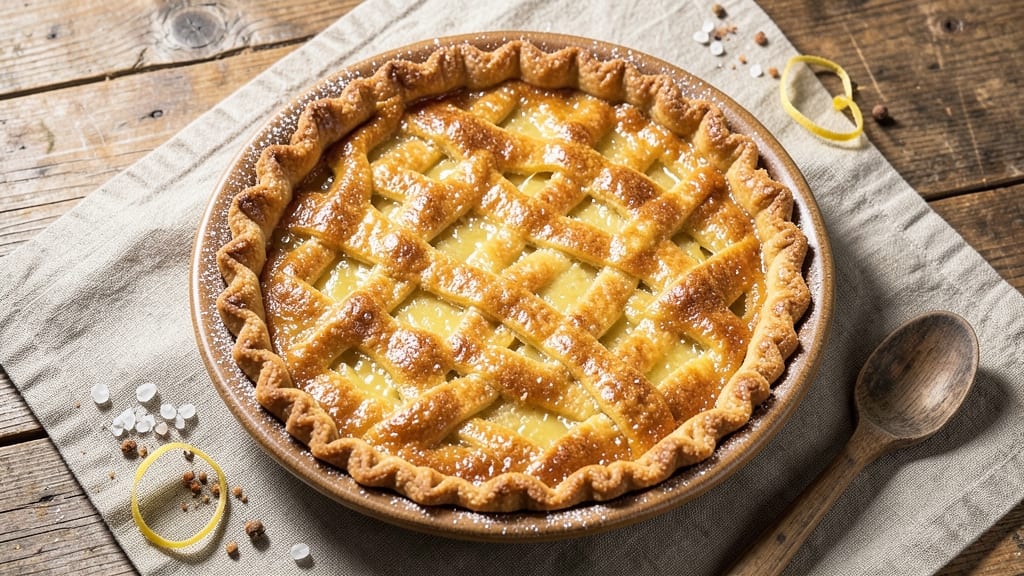
This Red Mill gluten-free flour pie crust delivers the flaky, golden layers you crave without the frustrating shrinkage or crumbling that often plagues gluten-free baking. After years of testing and adjusting ratios, I've perfected a method that uses xanthan gum for structure while keeping the texture tender and crisp.
The secret lies in proper moisture balance and careful handling—no more tough, dry crusts or disappointing results.
The recipe combines Red Mill gluten-free flour with cold butter and ice water to create a dough that behaves like traditional crust while accommodating gluten-free needs. Chilling is critical to prevent spreading, and we'll use a two-step rolling technique to ensure even thickness.
This isn't just another gluten-free substitute—it's a flaky, restaurant-quality crust that holds its shape and delivers that satisfying crunch.
What makes this recipe work is the precise ratio of fat to flour, which prevents the crust from becoming dense or shrinking during baking. The result is a golden-brown crust with layers that separate beautifully, perfect for both sweet pies and savory tarts.
Whether you're making a classic apple pie or a quiche, this crust will elevate your dish without compromising texture.
For those new to gluten-free baking, don't worry—the instructions walk you through every step, from mixing to baking, with troubleshooting tips for common issues. Once you try this method, you'll never settle for store-bought gluten-free crusts again. Let's get started on creating your perfect pie crust.
Ingredients for red mill gluten free flour pie crust
Eight essential ingredients transform Red Mill flour into a flaky, golden crust without shrinkage or crumbling.
| Ingredient | Amount | Notes |
|---|---|---|
| Red Mill Gluten-Free 1-to-1 Baking Flour 🌾 | 2 ½ cups | Plus 1 tbsp for dusting |
| Unsalted Butter 🧈 | 1 cup | Cold, cubed (1/2 stick each) |
| Ice Water 💧 | ½ cup | Use actual ice cubes + water |
| Xanthan Gum 🍃 | ¼ tsp | Critical for structure |
| Diamond Crystal Kosher Salt 🧂 | ½ tsp | Adjust to taste |
| Granulated Sugar 🍚 | 1 tbsp | Enhances browning |
| Cornstarch 🌾 | 1 tbsp | Improves texture |
| Apple Cider Vinegar 🍎 | 1 tsp | For tender layers |
| Plastic Wrap 📄 | 1 sheet | For dough chilling |
| All-Purpose Flour 🌾 | 2 tbsp | For rolling surface |
| Egg White 🥚 | 1 whole | Optional egg wash |
The Red Mill Gluten-Free 1-to-1 Baking Flour is non-negotiable—it's specifically formulated to mimic wheat flour's structure. Grab the 16-ounce bag from King Arthur or Bob's Red Mill's website if you can't find it in stores; their consistency is key. For the butter, Plugrá or Land O'Lakes unsalted work best—they hold their shape when chilled. The ice water is crucial: freeze water in ice cube trays ahead of time so you can add cubes directly to the dough. Xanthan gum might be in the baking aisle near flour or the gluten-free section—Bob's Red Mill brand is reliable. If you're using a different gluten-free flour blend, expect to adjust the xanthan gum by half the amount listed on the package.
No xanthan gum? Psyllium husk powder at double the amount works in a pinch, but the texture will be slightly different. Running short on butter? Coconut oil solidified in the fridge mimics fat content, though it won't be quite as flaky. The apple cider vinegar can be swapped for lemon juice at the same amount, but it'll have a brighter flavor. For the egg wash, water + 1 tsp melted butter works just as well if you're avoiding eggs. If your dough feels too dry, add 1 tsp more ice water at a time until it just holds together when pressed. Too sticky? Chill it longer or add 1 tbsp more gluten-free flour. The cornstarch is often overlooked but makes a noticeable difference in tenderness—don't skip it unless you're using a pre-mixed gluten-free flour that already includes it.
This dough must chill for at least 2 hours, ideally overnight, to prevent spreading. Wrap it tightly in plastic and refrigerate—don't freeze, as that makes it too brittle. Once rolled out, use the dough within 30 minutes or it'll relax and stick. Leftover dough scraps can be re-chilled and re-rolled for smaller pies or tarts. The finished crust keeps 3 days in the fridge wrapped in parchment, or 3 months frozen between parchment layers. For best results, bring frozen crusts to room temperature before baking. The egg wash adds shine but isn't mandatory—brush with melted butter for a rich alternative.
Why You'll Love This Recipe
- No-Fuss Assembly: I swear by the 3-2-1 method here—three parts flour, two parts butter, one part ice water—no food processor, no stress. The xanthan gum does the heavy lifting while I let the dough rest in the fridge, so by the time I roll it out, it’s already behaved.
- Buttery Crisp Magic: That cold butter in the flour? It delivers a flaky, golden crust that holds its shape without cracking. Honestly, I’ve tried store-bought GF crusts, but this one actually tastes homemade—crisp edges, tender middle, and no chalky aftertaste.
- Pie Pan or Tart Pan: Same dough, endless possibilities. Use it for a classic apple pie, mini hand pies for lunchboxes, or even a savory galette. Between us, I’ve even pressed it into a skillet for a quick quiche crust—works every time.
- Budget-Friendly Leftovers: A single batch makes two pie crusts, and the leftovers freeze beautifully. I keep a stash in my freezer for last-minute desserts, and the butter stays rich even after thawing. No wasted ingredients, no extra trips to the store.
Step-by-step instructions for a flaky gluten-free pie crust
Here's how to create a golden, flaky crust that holds its shape—no more soggy or shriveled disasters.
Combine Dry Ingredients for Structure
In a large mixing bowl, whisk together the 2.5 cups Red Mill Gluten-Free 1-to-1 Baking Flour, 0.25 tsp Xanthan Gum, 0.5 tsp Diamond Crystal Kosher Salt, 1 tbsp Granulated Sugar, and 1 tbsp Cornstarch. The xanthan gum is non-negotiable—it mimics gluten's binding properties, preventing crumbly results. Sift the mixture lightly to aerate the flour and ensure even distribution of ingredients.
Next, add the 1 tsp Apple Cider Vinegar and stir until fully incorporated. The vinegar helps tenderize the crust by breaking down gluten proteins, even though we're using a gluten-free blend. This step is subtle but makes a noticeable difference in texture. Set the bowl aside while you prepare the cold butter.
Cut in Cold Butter for Flakiness
Place the 1 cup Unsalted Butter in a separate bowl and cut it into ½-inch cubes using a sharp chef's knife. The butter must be cold—if it softens, chill it for 15 minutes before proceeding. Work quickly now, as warm butter will melt into the flour instead of creating those signature flaky layers.
Using a pastry cutter or your fingers, work the cold butter cubes into the flour mixture until the pieces are roughly pea-sized. You want to avoid overworking the dough—just until the butter is evenly distributed. If the mixture feels too dry, add 1-2 tablespoons of ice water at a time until it begins to clump together when pressed. The dough should hold its shape when gently squeezed but still feel slightly crumbly.
Add Ice Water and Form the Dough
Gradually add the 0.5 cup Ice Water (use actual ice cubes mixed with water to keep it cold) to the flour mixture, 1 tablespoon at a time, mixing gently with a fork or dough scraper. The goal is to bring the dough together without overmixing. Stop when the dough forms a shaggy clump that holds together when pressed—it should still feel cool to the touch.
Turn the dough out onto a lightly floured surface (use the 2 tbsp All-Purpose Flour for dusting) and gently shape it into a 1-inch thick disk. Wrap the dough tightly in the plastic wrap and refrigerate for at least 1 hour, or up to 24 hours. Chilling firms up the butter, preventing it from melting during rolling and ensuring those delicate, flaky layers when baked.
Roll and Transfer to the Pie Dish
After chilling, remove the dough from the refrigerator and let it sit at room temperature for 5-10 minutes to soften slightly. On a clean, lightly floured surface, roll the dough into a 12-inch circle, about ⅛-inch thick. If the edges start to crack, gently press them back together—this is normal and won't affect the final result.
Carefully transfer the rolled dough to a 9-inch pie dish, trimming any excess dough that hangs over the edges. Press the dough gently into the bottom and up the sides of the dish, using your fingers to create a slight rim. If the dough resists, let it rest for another 5 minutes before trying again. The goal is to create an even, smooth base that will hold its shape during baking.
Blind Bake for a Perfect Foundation
Preheat your oven to 375°F. Line the chilled dough with parchment paper and fill it with dried beans, pie weights, or rice to prevent puffing. Bake for 15 minutes, then remove the weights and bake for an additional 10-15 minutes until the edges are light golden brown and the crust is firm to the touch. The parchment should come out cleanly, indicating the crust is fully set.
For an optional egg wash, whisk the 1 whole Egg White with a fork and brush it lightly over the crust. Bake for another 3-5 minutes until the crust reaches a deep golden color. Let the crust cool completely before adding your filling—this prevents sogginess and ensures that flaky texture you've worked so hard to achieve. The result? A sturdy, golden crust that holds its shape and complements any filling, whether sweet or savory.
Pro Tips For Making Red Mill Gluten Free Flour Pie Crust
- CHILL THE BUTTER FIRST: Gluten-free crusts hate warm butter—it melts too fast and turns the dough into a greasy mess. Pop that butter in the fridge for 15-20 minutes before cutting it into the flour, even if the recipe says "softened." I learned this the hard way when my first attempt ended up as a sad, sticky blob instead of a workable dough.
- WEIGH YOUR FLOUR: Scooping Red Mill GF flour from the bag packs it too tightly, and you’ll end up with a dry, crumbly dough that won’t hold together. Use a kitchen scale for precision—aim for 1 cup = 120 grams. Yes, it’s an extra step, but your crust will actually behave when rolled out.
- WORK FAST WITH ICE WATER: The dough needs just enough water to bind, but gluten-free mixes are finicky. Use ice water (yes, actual ice cubes) and add it one tablespoon at a time—mixing by hand is faster than a food processor here. Stop as soon as the dough clumps together; overdoing it makes the crust tough.
- PATCH IT UP BEFORE BAKING: Gluten-free dough tears easily, and patching with extra flour or water weakens the structure. Instead, press the torn edges together with your fingers and gently smooth them out—no rolling, just firm pressure. It’s not perfect, but it’ll hold in the oven where it counts.
Perfect pairings for red mill gluten free flour pie crust
Sweet Fillings
This crust shines with classic apple pie—use 6 cups mixed apples (Granny Smith + Honeycrisp) tossed with ½ cup sugar, 1 tbsp cinnamon, and 1 tbsp lemon juice. For a rich twist, add ½ cup pecans or a dollop of vanilla ice cream on top. 🍎
Try a peach galette with 4 ripe peaches, 2 tbsp brown sugar, and 1 tsp cardamom—fold the crust edges over the fruit for rustic charm. A lemon meringue pie pairs perfectly: brush the baked crust with pastry cream and top with toasted Swiss meringue.
Savory Tarts
For a spinach and goat cheese tart, layer 4 cups sautéed spinach with 8 oz crumbled goat cheese, ½ cup caramelized onions, and a sprinkle of nutsmeg. Add a brown butter drizzle before baking for extra depth. 🧀
A shrimp and bacon tart delivers brunch appeal: mix 1 lb cooked shrimp with 4 oz cream cheese, ½ cup chopped bacon, and 1 tbsp Old Bay seasoning.
Top with a poached egg before serving. For a vegetarian option, swap shrimp for mushroom duxelles and Gruyère cheese.
Seasonal Twists
In fall, swap apples for butternut squash purée—mix 2 cups purée with 2 tbsp maple syrup and 1 tsp smoked paprika. For winter, try a chocolate hazelnut tart with a ganache filling and crushed Nutella on top. 🍫
Spring calls for rhubarb-strawberry pie: combine 3 cups chopped rhubarb and 2 cups sliced strawberries with 3 tbsp sugar and 1 tbsp cornstarch. A coconut cream drizzle adds tropical flair. For summer, a key lime pie with a graham cracker crust** (use gluten-free graham crackers) is a refreshing upgrade.
Nutrition facts
Frequently asked questions
Why does this gluten-free crust need xanthan gum?
Xanthan gum acts as a binder in place of gluten, giving the crust structure without crumbling. The 0.25 tsp in this recipe mimics the elasticity of wheat flour, preventing the dough from falling apart during rolling or baking. Without it, your crust may crack or lose its shape.
Can I make this crust ahead of time?
This dough keeps for 24 hours in the fridge wrapped tightly. For longer storage, freeze the disk for up to 3 months. Thaw overnight in the fridge before rolling. The extra chilling time actually improves texture by allowing the butter to firm up completely.
What if my dough cracks when rolling?
Cracking is normal—just gently press the edges back together. The key is to keep everything cold: chill the dough longer if needed, and use a lightly floured surface. If cracks persist, add 1 tbsp more ice water to help the dough hold together better.
How do I prevent a soggy bottom?
Always pre-bake (blind bake) the crust for 15-25 minutes before adding fillings. Cool completely before filling to prevent moisture from seeping in. For extra insurance, brush the baked crust with melted butter before adding fillings to create a moisture barrier.
Can I use this crust for savory dishes?
Yes! This crust works perfectly for savory tarts. For a spinach and feta tart, add 1 tsp dried herbs to the dough and brush with garlic-infused olive oil before baking. The same technique applies—just adjust seasonings to complement your filling.