
Main Courses
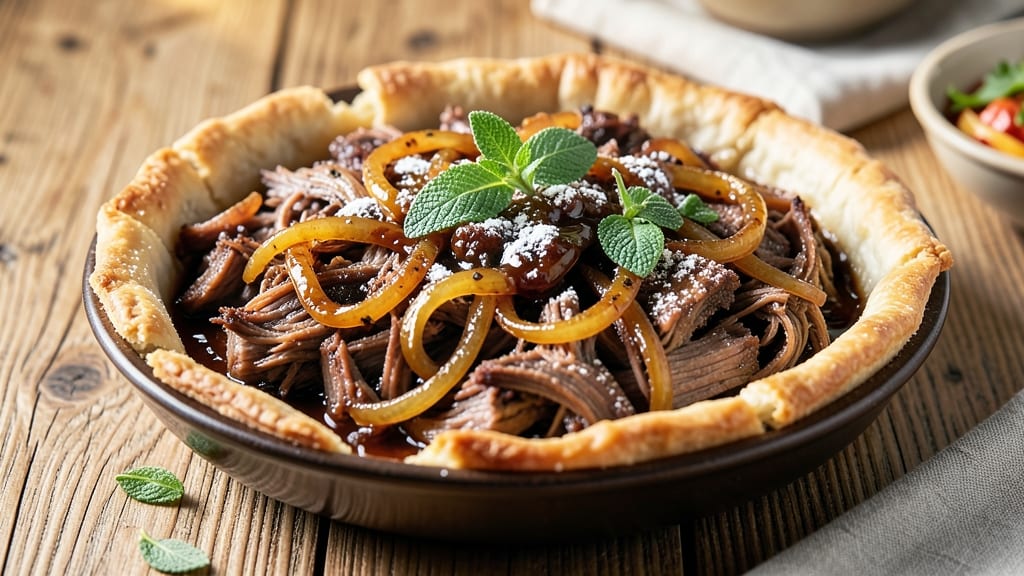
This pork pie filling recipe brings British pub comfort to your kitchen with its rich, savory meat and aromatic herbs—exactly what makes traditional pork pies so beloved. 🌟 As someone who's spent years perfecting meat-filled pastries, I've refined this recipe to deliver that perfect balance of tender pork, fragrant spices, and a pastry crust that's crisp yet tender.
The secret lies in slow-cooked pork shoulder, finely minced and infused with sage, thyme, and a touch of mustard for depth.
What sets this recipe apart is the foolproof technique for achieving restaurant-quality results at home. We'll start with a well-seasoned pork mixture that's cooked until it falls apart, then bound with a simple pastry that encases every flavorful bite.
The slow cooking process transforms tough pork into melt-in-your-mouth perfection, while the herb blend creates that signature British aroma that makes pork pies unforgettable.
By the time you're done, you'll have a golden, flaky pie with a filling so rich and flavorful it becomes the centerpiece of any gathering.
The pastry achieves that classic "crusty top, tender bottom" texture that's the hallmark of great British baking, while the filling stays moist and packed with meaty goodness. This is the kind of dish that tastes like a homecoming—warm, comforting, and full of tradition.
Perfect for holiday meals, family gatherings, or when you want to recreate that classic British pub experience at home. The recipe scales beautifully, so you can make individual pies for a crowd or a single large one for a special occasion. Let's get started on creating something truly memorable.
Ingredients for pork pie filling
Pantry staples meet British pub flavors—just 13 ingredients for melt-in-your-mouth perfection.
| Ingredient | Amount | Notes |
|---|---|---|
| Pork Shoulder 🥩 | 2 lb | Bone-in for extra flavor |
| Yellow Onion 🧅 | 1 whole | Medium size, finely chopped |
| Fresh Sage 🌿 | ¼ cup | Chopped, stems removed |
| Fresh Thyme 🌿 | 1 tbsp | Leaves only, finely chopped |
| Dijon Mustard 🍯 | 1 tbsp | For depth of flavor |
| All-Purpose Flour 🌾 | ½ cup | For binding filling |
| Beef Stock 💧 | 1 cup | Homemade or quality store-bought |
| Apple Cider Vinegar 🍎 | 1 tbsp | Brightens flavors |
| Salt 🧂 | 1 ½ tsp | Diamond Crystal preferred |
| Black Pepper 🌶️ | ½ tsp | Freshly ground |
| Ground Allspice 🌶️ | ½ tsp | Classic British spice |
| Unsalted Butter 🧈 | 2 tbsp | For richness |
| Pork Fatback 🥓 | ¼ cup | Diced small for texture |
The pork shoulder is the star here. Look for bone-in cuts—they add incredible flavor as they cook. Most grocery stores carry it pre-cut, but if you're buying a whole shoulder, ask the butcher to trim it for you. Costco and Whole Foods usually have excellent options. For the herbs, fresh is non-negotiable—dried just won't give you that classic British aroma. Sage should be vibrant green, and thyme leaves should look plump. If you can't find fresh thyme, dried works at one-third the amount, but it's worth hunting down the fresh stuff for this recipe.
No Dijon mustard? Yellow mustard in a pinch, though it's not quite the same. The beef stock can be swapped for vegetable stock if you're vegetarian, but traditional recipes use beef. Apple cider vinegar is key for that bright tang—substitute with white vinegar if needed. The allspice is what gives pork pies that signature warm, slightly sweet note. If you can't find ground allspice, whole allspice seeds toasted and ground work beautifully. For the fatback, if you can't find it, extra pork shoulder diced small does the trick, though it won't be quite as rich.
The filling keeps well for 3 days in the fridge before baking, which is perfect for prepping ahead. Once baked, it stays good for 5 days in the fridge or 3 months frozen. I always make a double batch—one for pies, one for savory tarts. The butter and pork fatback can be prepped ahead and stored in the fridge for 1 week before using. Just let them come to room temperature before mixing into the filling.
Why You'll Love This Recipe
- Fewer Cuts, More Flavor: There’s barely any chopping—just dice that onion and let the slow cooker do the work. I’ll be real: my knife skills are not impressive, but this recipe doesn’t care.
- Herb-Packed Pork Magic: That Dijon mustard and fresh thyme? It’s the secret weapon. The pork stays juicy, the onions caramelize just enough, and the sage gives it a cozy, almost autumnal vibe—like a hug in filling form.
- Potluck or Picnic Ready: Pack it in a jar or thermos, and you’ve got a showstopper for tailgates, church dinners, or even a lazy Sunday spread. Honestly, I’ve served it cold in sandwiches and hot straight from the pot—both times, people cleared their plates.
- Budget-Friendly Leftovers: Pork shoulder is cheap, and this makes enough for days. I’ll often double the batch because it’s perfect for tacos, stuffed peppers, or even breakfast hash the next morning. Zero waste, all win.
Step-by-step instructions for savory pork pie filling
Here's how to transform simple ingredients into rich, hearty filling perfect for traditional pork pies.
🔥 Step 1: Sear the Pork Shoulder and Onion
Heat a large Dutch oven over medium-high heat and add 2 tablespoons unsalted butter and ¼ cup diced pork fatback. Once the butter foams, add the 2 lb bone-in pork shoulder cut into 1-inch cubes and sear for 4-5 minutes until browned on all sides.
Remove the pork and set aside. In the same pot, add the 1 whole medium yellow onion chopped into ¼-inch pieces. Cook for 5-6 minutes until softened and golden, stirring occasionally. You're building flavor here—don't rush this step or the filling will taste flat.
👨🍳 Step 2: Build the Herb and Spice Base
To the onion mixture, add 1 tablespoon chopped fresh thyme, ¼ cup chopped fresh sage, 1 tablespoon Dijon mustard, 1.5 teaspoons salt, 0.5 teaspoon black pepper, and 0.5 teaspoon ground allspice. Stir well to coat the onions completely with the herbs and spices.
Return the seared pork shoulder to the pot and pour in 1 cup beef stock and 1 tablespoon apple cider vinegar. Bring to a simmer, then reduce heat to low. Cover and let cook for 1 hour, stirring occasionally, until the pork is tender and the liquid has reduced by half. This slow cooking develops deep, rich flavors.
🍳 Step 3: Thicken the Filling
After the pork has cooked, remove it from the pot and set aside. In the same pot, sprinkle ½ cup all-purpose flour over the reduced juices and stir vigorously for 2-3 minutes until the flour is fully incorporated and the mixture thickens. This creates a glossy, velvety consistency that's perfect for pie filling.
Return the pork to the pot and stir gently to coat it in the thickened sauce. Add the 2 tablespoons unsalted butter and stir until melted and fully combined. The filling should now have a rich, glossy appearance with a thick but spoonable consistency—this is what makes traditional pork pie filling so satisfying.
⏰ Step 4: Rest and Prepare for Filling
Transfer the filling to a clean bowl and let it cool to room temperature for 30 minutes. This resting period allows the flavors to meld together and makes the filling easier to handle when you're ready to fill your pie crust. While it cools, you can prepare your pie crust and preheat your oven.
Once cooled, taste the filling and adjust seasoning if needed. The herbs should be fragrant, the pork tender, and the sauce rich and flavorful. If it needs more depth, a splash of apple cider vinegar or a pinch more allspice can elevate it further. This filling is now ready to be poured into your pie crust and baked to golden perfection.
Pro Tips For Making Pork Pie Filling
- SEAR THE PORK FIRST: Walk away from the stove for 10 minutes after browning the pork shoulder—it’ll look dry, but that crust locks in flavor. I used to rush this, and the filling always tasted flat. Let it cool slightly before adding onions, or you’ll steam the herbs to oblivion.
- SWEAT THE ONIONS LOW: Turn the heat down to medium-low and walk away. Onions release moisture like a sad puppy, and you need that slow render to build depth. If you’re impatient, you’ll end up with a watery base—no one wants that in pie filling.
- STRAIN THE HERBS: After simmering sage and thyme, fish them out with a slotted spoon and strain the broth through a fine-mesh sieve. Whole stems turn bitter, and you don’t want that grassy aftertaste ruining your mustard-pork harmony.
- DILUTE THE MUSTARD: Mix Dijon with 1-2 tablespoons of broth or apple cider vinegar before adding it to the pot. Straight mustard burns easily and can make the filling taste sharp instead of balanced. Trust me, this small step makes a real difference.
Wine and beer pairings for these flavors
British Ale Pairings
Nothing complements the rich, savory depth of pork pie filling like a dark English ale. I always reach for a Stout or Porter—brands like Guinness or Samuel Smith's Nut Brown Ale cut through the fatback and pork beautifully.
The roasted malt notes in these beers mirror the allspice and thyme in the filling, creating a perfect harmony. Serve slightly chilled to let the flavors sing together. 🍺
Crisp Cider Options
For a lighter touch, a dry English cider like Thatchers or Strongbow provides bright acidity that refreshes your palate between bites. The slight tartness balances the richness of the pork and pastry.
I prefer ciders with hint of apple—just enough to complement without overpowering. These pair especially well with individual-sized pies served at gatherings. 🍏
French Wine Surprise
Don't overlook Burgundy—specifically a Pinot Noir from the Côte de Nuits region. The earthy undertones and subtle spice notes in these wines echo the allspice and thyme in the filling.
I've found Domaine Drouhin or Louis Latour work beautifully. The wine's acidity also helps cleanse the palate between rich bites. 🍷
Regional American Pairings
If you're serving this in the Southeast, a Georgia-grown hard cider like Sweetwater Brewing's 420 adds local flair. For beer lovers, a Southern-style amber ale with caramel notes—such as Atlanta's Southern Star Brewing—pairs wonderfully.
These regional options keep the meal feeling authentic to the area where I grew up. 🌟
Non-Alcoholic Options
For guests who don't drink, a sparkling apple cider like Martinelli's or a ginger beer with a squeeze of lime works perfectly. The effervescence cuts through the richness, while the citrus brightens the herbs. I often serve this at family gatherings where not everyone drinks alcohol. 💧
Serving Temperature Tips
Always serve your wine or beer slightly chilled—around 50-55°F for reds and 40-45°F for whites/ciders. The coldness helps balance the warm, hearty flavors of the pie. I keep my bottles in an ice bucket for 10-15 minutes before serving to achieve the perfect temperature. ❄️
Nutrition facts
Frequently asked questions
Can I use ground pork instead of pork shoulder for this filling?
While you can use ground pork, it won't give you the same rich, tender texture that slow-cooked pork shoulder provides. The shoulder's collagen breaks down during cooking, creating a melt-in-your-mouth consistency. If you must use ground pork, look for 80/20 fat ratio and cook it for 10-12 minutes longer to develop flavor. For best results, stick with the shoulder—it's worth the extra effort!
How do I prevent the pie crust from getting soggy?
Prevent soggy bottoms by using a double crust or a pie crust shield (a layer of puff pastry or crumbled biscuit dough on top). Always pre-bake your bottom crust for 8-10 minutes at 375°F before adding filling. Brush it with egg wash for extra crispiness. For extra insurance, chill the filled pie for 30 minutes before baking to help the crust set.
Can I make this filling ahead of time?
This filling actually improves when made a day ahead. Store it in an airtight container in the fridge for up to 3 days before using. The flavors meld beautifully overnight. When ready to use, gently reheat it in a saucepan over low heat until warmed through—just don't let it boil or it'll break apart.
What's the best way to reheat leftover pork pie?
For best results, reheat slices in a 350°F oven for 10-12 minutes until warmed through. Microwaving works in a pinch (30-45 seconds), but it can make the crust rubbery. For a restaurant-style finish, wrap slices in foil and reheat in the oven, then broil for 1-2 minutes to crisp the edges.
Can I substitute beef for pork in this recipe?
While possible, I don't recommend it for traditional pork pie. The fat content and flavor profile of pork are essential for authentic results. If you must use beef, choose chuck roast (not lean cuts) and increase the cooking time to 1 hour 15 minutes. The filling will be heartier but will lack the classic pork pie character. This recipe is designed specifically for pork!