
Desserts
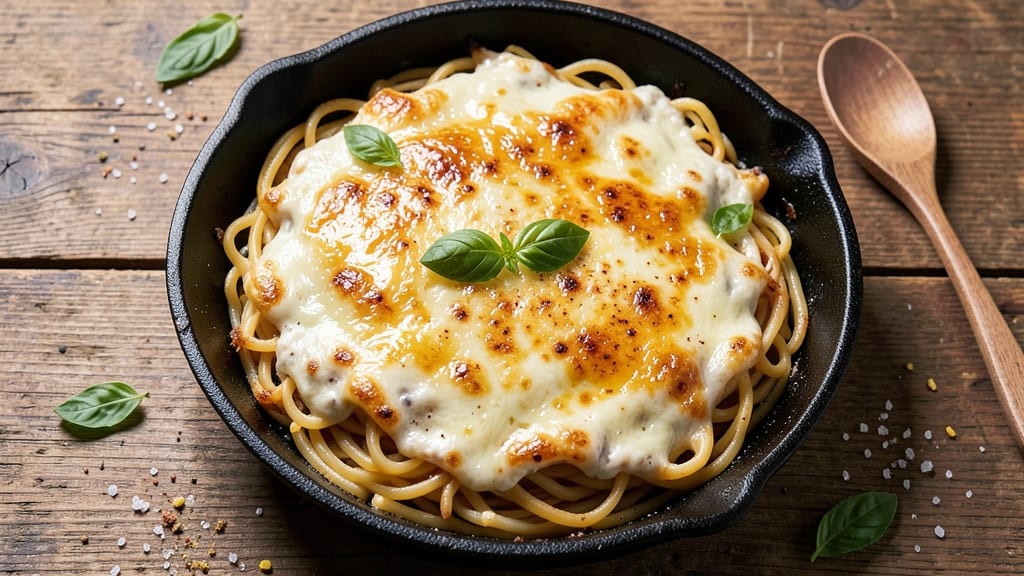
The Old Chicago spaghetti pie delivers the ultimate comfort food experience—crispy edges, a creamy cheese filling, and that nostalgic Midwestern taste you can't get anywhere else.
This recipe captures the essence of the iconic dessert with a no-roll crust that's foolproof and a rich, cheesy center that melts in your mouth. I've perfected the technique over years of baking, ensuring every slice is golden, tender, and packed with flavor.
What sets this recipe apart is the combination of uncooked spaghetti and a blend of ricotta and cottage cheese for that signature creamy texture. The crust, made with simple pantry staples, bakes up perfectly crispy without requiring any rolling or fuss.
The secret to the filling lies in the balance of cheeses and the addition of a touch of Italian seasoning, which elevates the flavor to restaurant-quality levels.
By the time it emerges from the oven, you'll have a pie with a golden, crackly crust and a filling so creamy it practically oozes with every bite. The spaghetti strands soften just enough to blend into the cheese, creating a texture that's both comforting and indulgent.
This is the kind of dessert that brings back childhood memories and makes every occasion feel special.
The best part? It's easy to customize with toppings like breadcrumbs for extra crunch or fresh herbs for a pop of color. Whether you're serving it at a family gathering or enjoying a slice as a late-night treat, this spaghetti pie is sure to become a household favorite.
Let's get baking!
Ingredients for old chicago spaghetti pie
Nine simple ingredients transform into a nostalgic Midwestern classic with crispy edges and creamy cheese filling.
| Ingredient | Amount | Notes |
|---|---|---|
| Uncooked Spaghetti 🍝 | 8 oz | Broken into 2-inch pieces |
| Ricotta Cheese 🧀 | 2 cups | Part-skim for creaminess |
| Cottage Cheese 🧀 | 1 ½ cups | Small curd preferred |
| Shredded Mozzarella Cheese 🧀 | 2 cups | Low-moisture, freshly grated |
| Large Eggs 🥚 | 2 whole | Room temperature |
| All-Purpose Flour 🌾 | 1 ½ cups | For crust |
| Unsalted Butter 🧈 | ½ cup | Cold, cubed |
| Granulated Sugar 🍚 | ½ cup | For crust sweetness |
| Italian Seasoning 🌿 | 1 tbsp | For filling depth |
| Salt 🧂 | 1 tsp | Kosher or sea salt |
| Black Pepper 🌶️ | ½ tsp | Freshly ground |
| Garlic Powder 🧄 | ½ tsp | For subtle flavor |
| Breadcrumbs 🍞 | ½ cup | Panko for extra crunch |
| Milk 🥛 | ½ cup | For crust moisture |
The cheeses are the heart of this pie—ricotta and cottage cheese give that signature creamy texture. Grab full-fat ricotta for extra richness (the part-skim works too, but trust me on the full-fat version). For cottage cheese, small curd blends smoother—none of that chunky stuff. Mozzarella adds stretch, so low-moisture is key (the pre-shredded kind with anti-caking agents works fine). I always buy extra cheese—it keeps for weeks in the fridge, and you'll want leftovers for this. The Italian seasoning? Penzeys has the best blend, but any good store-brand will do—just check the ingredients for fillers.
No ricotta? Cream cheese plus a splash of milk gets you close (reduce milk in crust by 2 tbsp). Cottage cheese too expensive? Extra ricotta works, but add 1/4 cup sour cream for tang. The crust can be made ahead—just press it into the pan and refrigerate for up to 2 days. Need a shortcut? Panko breadcrumbs on top add instant crunch without extra work. The spaghetti? Break it into 2-inch pieces before baking—this ensures even cooking and that perfect texture. For extra nostalgia, toss in 1/4 cup grated Parmesan with the cheese filling (optional but worth it).
This pie tastes even better the next day—honestly, the crust crisps up more overnight. Store leftovers in an airtight container for up to 4 days or freeze for 3 months (wrap tightly in foil first). To reheat, cover with foil and bake at 350°F for 10-15 minutes. For serving, I always sprinkle fresh parsley on top—just for color, but it makes the whole thing look restaurant-worthy. The crust stays crispy if you slice it right before serving, so don't cut ahead of time unless you're reheating.
Why You'll Love This Recipe
- I swear by this: no boiling spaghetti, no waiting for noodles to drain. Just break the raw strands into a pan with ricotta and cottage cheese—it softens into tender strands while everything else bakes. Honestly, it’s the kind of hack that makes me feel like a lazy genius.
- No-Cook Trick: I swear by this: no boiling spaghetti, no waiting for noodles to drain. Just break the raw strands into a pan with ricotta and cottage cheese—it softens into tender strands while everything else bakes. Honestly, it’s the kind of hack that makes me feel like a lazy genius.
- Creamy Cheese Magic: That ricotta-cottage cheese combo? It’s the secret weapon. The cottage cheese adds a subtle tang that cuts through the richness, while the ricotta makes it ridiculously creamy—like a cross between lasagna and a baked pasta dish. (Yes, even my picky husband asks for seconds.)
- Lunchbox Hero: Between us, this is my go-to for meal prep. Slice it up, wrap it in foil, and it stays solid in lunches all week—no soggy pasta here. My kids actually eat their veggies when I mix in a handful of spinach or zucchini into the cheese layer. (Small victories.)
Step-by-step instructions for Old Chicago spaghetti pie
Here's how to build that perfect creamy cheese filling over a golden crust—no rolling required.
Cook and Prep the Spaghetti
Start by boiling the 8 oz uncooked spaghetti in salted water until it's just al dente—about 2 minutes less than package instructions. Drain immediately and rinse under cold water to stop the cooking process. This prevents the spaghetti from turning mushy in the oven later.
Break the spaghetti into 2-inch pieces by hand while still warm. The heat makes it easier to snap cleanly. Spread the pieces on a baking sheet to cool completely—this ensures they don't soften further when mixed with the cheese filling. You'll want them cool enough to handle when you're ready to assemble.
Make the Crispy No-Roll Crust
In a large bowl, combine the 1.5 cups all-purpose flour, 0.5 cup breadcrumbs, 0.5 cup granulated sugar, 1 tbsp Italian seasoning, 1 tsp salt, 0.5 tsp black pepper, and 0.5 tsp garlic powder. Mix well to distribute the seasonings evenly throughout the dry ingredients.
Cut in the 0.5 cup unsalted butter using a pastry cutter or your fingers until the mixture resembles coarse crumbs with pea-sized butter pieces remaining. This texture is crucial—it creates that perfect crispy crust without needing to roll it out. Stir in the 0.5 cup milk just until combined. The dough should hold together when pressed but still be crumbly.
Assemble the Pie in the Pan
Preheat your oven to 375°F. Press the crumb mixture evenly into the bottom of a 9-inch pie pan using your fingers or the back of a spoon. Press firmly but don't overwork it—you want a solid base that's about ¼-inch thick. The edges should be slightly thicker than the center to prevent burning.
In a separate large bowl, beat the 2 whole large eggs until frothy. Add the 2 cups ricotta cheese, 1.5 cups cottage cheese, 2 cups shredded mozzarella cheese, and mix until completely smooth. Fold in the cooled spaghetti pieces, being careful not to break them further. The mixture should be thick but spoonable—if it's too stiff, add 1-2 tablespoons of milk to loosen it.
Bake to Golden Perfection
Spread the cheese-spaghetti mixture evenly over the crust in the prepared pie pan. The filling should come up to about ½-inch below the pan's edge—this prevents overflow during baking. Bake for 35-40 minutes until the edges are deep golden brown and the center is just set (it'll continue cooking slightly after removal).
Here's the thing—I like to broil for the last 2-3 minutes to get that perfect golden crust on top. Watch it closely so it doesn't burn. When you pull it from the oven, the center should still have a slight wobble—it'll firm up as it cools. Let it rest for 10 minutes before slicing to allow the filling to set completely.
Pro Tips For Making Old Chicago Spaghetti Pie
- PRECOOK SPAGHETTI 1 MINUTE: Boil the uncooked spaghetti for just 60 seconds—no more. You want it tender but still holding shape, not mushy. I learned this the hard way after serving a pie with noodles that turned to paste. Drain well, then toss with a splash of olive oil to keep them from sticking as you layer.
- DRAIN RICOTTA WELL: Skip the watery ricotta—press it in a clean kitchen towel for 10 minutes before mixing. The less moisture, the less soggy your pie. I used to skip this and ended up with a pie that tasted more like pudding than pasta. Trust me, squeeze it dry.
- BAKING TIME IS KEY: Don’t peek or open the oven until the 45-minute mark—even if it looks underdone. The top needs time to set and brown properly. After 45 minutes, check for golden edges, then broil for 2-3 minutes if needed. I’ve ruined more pies by rushing this step than any other.
- LAYER MOZZARELLA LAST: Save the shredded mozzarella for the final sprinkle—it melts faster and creates that perfect gooey top. If you mix it in early, you’ll end up with a dense, heavy pie instead of the light, bubbly finish you want. A little extra cheese on top never hurt anyone, either.
Flavor customization for this recipe
Cheese Swaps
Need to adjust the cheeses? Swap ricotta for cream cheese (add ¼ cup milk to thin) and use extra mozzarella for stretch. For a tangier twist, replace ½ cup cottage cheese with sour cream—it adds richness without graininess.
I’ve also tried sharp cheddar in place of mozzarella for a bold kick, but keep it to ½ cup max to avoid overpowering the creamy base. 🧀
Spice Variations
Crank up the heat with ½ tsp cayenne or 1 tsp smoked paprika in the filling for a smoky depth. Love Italian flavors? Add ½ tsp dried oregano or 1 tsp basil to the crust mix.
For a sweet-spicy combo, sprinkle ½ cup crushed peppermint candies on top before baking—trust me, it’s a nostalgic crowd-pleaser. 🌶️
Crust Customizations
Skip the sugar in the crust for a savory version—replace it with ½ tsp onion powder and ¼ tsp nutmeg. For extra crunch, mix ¼ cup chopped pecans into the crust before pressing.
Gluten-free? Swap flour for 1 cup gluten-free 1:1 baking flour and add 1 tbsp xanthan gum. The texture stays crispy, but press it firmly into the pan. 🍞
Topping Ideas
Before baking, sprinkle ½ cup panko breadcrumbs on top for a buttery crunch. After baking, drizzle with honey or maple syrup for a sweet contrast. For a savory touch, top with crumbled bacon or sautéed mushrooms.
Fresh herbs like parsley or basil add color and brightness—just add them after baking. 🌿
Dairy-Free Tweaks
Replace ricotta and cottage cheese with 1.5 cups silken tofu blended with ½ cup nutritional yeast (for cheesy flavor) and 2 tbsp lemon juice. Use dairy-free mozzarella shreds (like Miyoko’s) for the stretch.
The crust stays the same, but add 1 tbsp flaxseed meal to the dough for binding. The texture won’t be identical, but it’s surprisingly close! 🥛
Nutrition facts
Frequently asked questions
Can I make this spaghetti pie ahead of time?
This pie actually tastes even better the next day. The crust crisps up more as it cools, and the filling sets to perfect creamy consistency. Bake it a day ahead, then reheat covered with foil at 350°F for 10-15 minutes before serving. Store leftovers in an airtight container for up to 4 days or freeze for 3 months.
Why does my crust turn out soggy instead of crispy? The most common cause is overmixing the crust or not pressing it firmly enough.
Can I use regular spaghetti instead of breaking it into pieces?
While you can use whole spaghetti noodles, breaking them into 2-inch pieces is key for that authentic texture. Whole noodles tend to cook unevenly in the oven, resulting in some parts being mushy while others remain al dente. Breaking them also helps distribute the cheese more evenly throughout the filling.
What's the best way to reheat slices?
For individual slices, wrap them in foil and reheat in a 350°F oven for 5-7 minutes. This maintains the crispy crust while warming the filling. If using the microwave, cover with a damp paper towel and heat for 20-30 seconds—just know the crust may soften slightly. The pie reheats best when served warm rather than room temperature.
How do I prevent the filling from leaking out during baking?
Leave about ½-inch space between the filling and the pie pan's edge. This prevents overflow while allowing the filling to rise slightly. Also, make sure your cheese mixture isn't too wet—if it's too runny, add a bit more cottage cheese or let it sit for 10 minutes before baking to thicken. A slightly underbaked center (with a gentle wobble) is normal and will set as it cools.