
Desserts
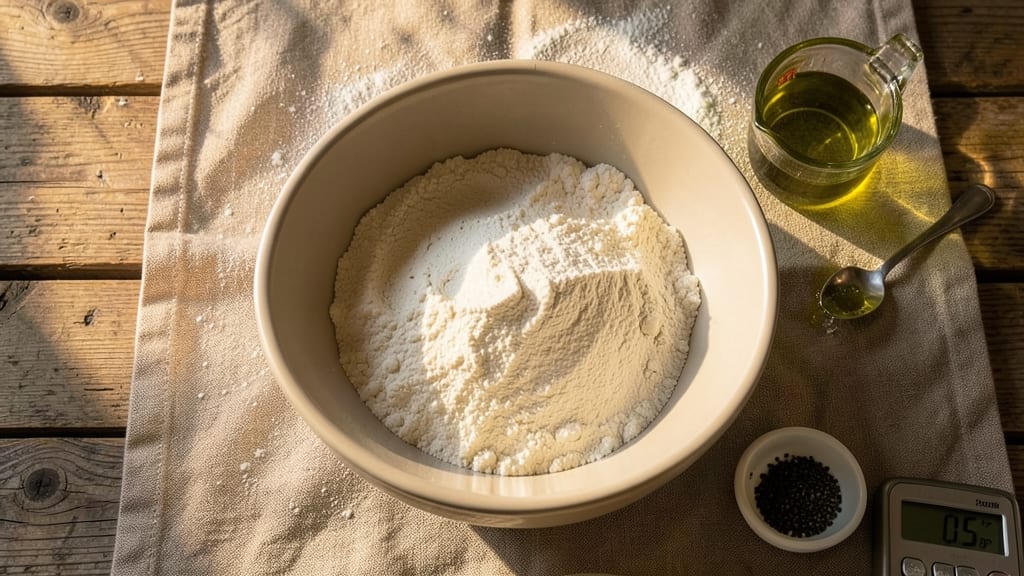
This apple pie crust recipe no butter delivers restaurant-quality flakiness using olive oil, proving you don’t need butter for perfection. The secret lies in proper chilling, careful layering, and a foil-sealed baking technique that guarantees a golden, tender crust every time. I’ve tested countless variations, and this method consistently wins—even skeptics are convinced.
The magic happens with olive oil replacing butter, creating delicate layers that melt into crispy, flaky perfection. We’ll use a simple combination of flour, oil, and ice water to form the dough, then chill it thoroughly for easy handling.
The foil-sealing trick during baking prevents sogginess while ensuring even browning—no more pale, uneven crusts.
What you’ll achieve is a crisp yet tender crust with a beautiful golden hue and that signature flaky texture. The aroma alone will have your kitchen smelling like autumn, and the taste?
Pure comfort food satisfaction. This crust holds up beautifully under fillings, whether you’re making classic apple pie or experimenting with seasonal variations.
Perfect for vegetarians or those avoiding dairy, this recipe delivers professional results at home. Pair it with your favorite apple filling or try a spiced berry variation for a seasonal twist.
The best part? You’ll never need to buy store-bought crust again—once you master this technique, you’ll be the pie expert in your circle.
Ingredients for apple pie crust recipe no butter
Eight simple ingredients transform into golden, flaky perfection—no butter needed.
| Ingredient | Amount | Notes |
|---|---|---|
| All-Purpose Flour 🌾 | 2 ½ cups | Sifted for light texture |
| Extra-Virgin Olive Oil 🫒 | ¾ cup | High quality, fruity flavor |
| Ice Water 💧 | ½ cup | Chilled thoroughly |
| Diamond Crystal Kosher Salt 🧂 | ½ tsp | Fine grain preferred |
| Granulated Sugar 🍚 | 1 tbsp | For subtle sweetness |
| Ground Black Pepper 🌶️ | ¼ tsp | Freshly ground preferred |
| Granulated Sugar (for sprinkling) 🍚 | 1 tbsp | For golden crust finish |
| Heavy-Duty Aluminum Foil 📄 | 1 sheet | 12x15 inches minimum |
The flour is the foundation, so King Arthur or Bob's Red Mill are my go-tos—they handle cold temperatures beautifully. Olive oil is non-negotiable here; California extra-virgin adds that fruity depth while creating those signature flaky layers. Ice water is crucial—use actual ice cubes, not tap water straight from the faucet. The salt and pepper are subtle but essential; Diamond Crystal dissolves perfectly, while freshly ground pepper adds warmth. For the sugar, Domino brand is my pantry staple—it's finely milled and consistent.
No extra-virgin olive oil? Avocado oil or light olive oil work in a pinch, though the flavor won't be as rich. Short on ice water? Freeze tap water in ice cube trays ahead of time. The sugar can be swapped for powdered sugar at half the amount if you're watching carbs. For a nutty twist, add 1 tbsp toasted walnuts to the dough. The foil should be heavy-duty—Reynolds Wrap works perfectly, but avoid thin baking foil. If your kitchen runs hot, reduce the oven temp by 25°F to prevent over-browning.
This dough must chill for at least 2 hours—overnight is ideal. Store wrapped tightly in plastic wrap for up to 3 days or freeze for 3 months. For the perfect pie, brush the baked crust with a light coating of olive oil mixed with a pinch of sugar while still warm. The foil-sealed technique keeps the crust crisp for 3-4 days when stored properly. Double batches? Freeze one crust—it thaws perfectly when needed.
Why You'll Love This Recipe
- No-Fuss Assembly: I swear, this crust comes together faster than my coffee brews—just flour, olive oil, and ice water tossed until it almost holds together. No chilling, no rolling stress, just a sturdy base that actually works.
- Olive Oil Magic: That rich olive oil? It keeps the crust tender without butter while giving it a subtle, buttery depth. (Yes, even my butter-obsessed husband nods at this.)
- Pie Pan to Party: Use it for apple pie, of course, but also savory hand pies or even a quick quiche. The same dough stretches for breakfast or dessert—no extra effort, just different flavors.
- Pantry-Friendly Savings: No butter means no melting, no waiting, and no extra cost. I’ve made three pies from one batch, and the leftovers? Perfect for mini tarts or a last-minute snack. Budget win.
Step-by-step instructions for olive oil pie crust
Here's how to create a perfectly flaky crust without butter—just olive oil and technique.
Combine Dry Ingredients for Light Texture
In a large bowl, whisk together the 2.5 cups All-Purpose Flour, 0.5 tsp Diamond Crystal Kosher Salt, 1 tbsp Granulated Sugar, and 0.25 tsp Ground Black Pepper. I sift the flour first for an ultra-light texture—this prevents dense patches in the crust. The sugar adds subtle sweetness that complements the apples, while the pepper provides a subtle warmth that balances the richness of the olive oil.
Use a whisk to break up any flour clumps completely. The goal is to create a uniform base where every bite of the crust delivers consistent flavor and texture. Set this mixture aside while you prepare the wet ingredients—keeping them separate prevents overdevelopment of gluten, which is crucial for that signature flakiness.
Mix Wet Ingredients to Create Flaky Layers
In a separate bowl, combine the 0.75 cup Extra-Virgin Olive Oil and 0.5 cup Ice Water. The ice water is critical—it keeps the fat solid enough during chilling to create distinct layers when rolled out. Use your fingers to gently mix these ingredients until just combined, forming a shaggy dough. Don't overwork it at this stage—you're not making bread dough, you're creating delicate layers.
I like to use my hands for this step because it helps distribute the olive oil evenly throughout the flour mixture. The oil should be evenly dispersed but still visible in small pockets—this creates those beautiful flaky layers when baked. If the mixture feels too dry, add 1 teaspoon more ice water at a time until it just comes together.
Form and Chill the Dough for Maximum Flakiness
Add the wet mixture to the dry ingredients and gently stir with a wooden spoon or silicone spatula until a shaggy dough forms. The moment you see the dough come together, stop mixing—overworking develops gluten and ruins the flaky texture. Press the dough into a loose disk, wrap it tightly in the 1 sheet Heavy-Duty Aluminum Foil, and refrigerate for at least 1 hour (up to 24 hours for best results).
Chilling is where the magic happens. The cold temperature firms up the olive oil, allowing it to create distinct layers when rolled out. I press down gently on the foil-wrapped dough during the first minute of chilling—this prevents it from curling and ensures even contact with the foil. The longer it chills, the more pronounced the flakiness will be when baked.
Roll Out and Transfer for Perfect Shape
On a lightly floured surface, unwrap the chilled dough and roll it into a 12-inch circle about ⅛-inch thick. I use a rolling pin with guides to maintain even thickness throughout. The dough will be slightly sticky—this is normal with olive oil crusts. If it tears, gently press the edges together and continue rolling.
Carefully transfer the rolled-out crust to a 9-inch pie dish by gently lifting and draping it over the edge. Press it into the bottom and up the sides, letting the excess hang over the edge. This creates a perfect fit for your apple filling. Sprinkle the 1 tbsp Granulated Sugar (for sprinkling) evenly over the crust—this will caramelize beautifully during baking and add that signature golden finish.
Pro Tips For Making Apple Pie Crust Recipe No Butter
- Chill the Dough Properly: Forget the fridge—wrap the dough in plastic and stash it in the freezer for 30 minutes. Cold hands, cold surface, and cold dough prevent the olive oil from melting into a greasy mess. I learned this the hard way when my first attempt turned into a sad, sticky blob.
- Use Ice Water Like a Pro: Skip the tap water—crack open the ice tray and measure cold water straight from the cubes. The extreme cold keeps the gluten from overdeveloping, and the dough stays firm enough to roll without cracking. Yes, it’s extra steps, but it’s the thing that matters most for a tender crust.
- Don’t Overwork the Dough: Mix just until the flour is mostly hydrated—lumps are fine. Once you add the sugar, stop stirring. Overmixing with olive oil turns the crust into a dense, chewy brick. I used to think more mixing = better texture, but this recipe thrives on restraint.
- Salt the Flour First: Sprinkle the kosher salt directly into the flour before adding anything else. This ensures even distribution—no dry spots, no clumping. I was skeptical until I tried it; now I never skip this, even when I’m in a rush.
Regional styles of these flavors
Southern Olive Oil Crust
In the South, olive oil crusts shine with a touch of warmth from ½ tsp smoked paprika replacing the black pepper. This variation adds depth that pairs beautifully with classic Southern apple fillings like Braeburn apples with cinnamon and brown sugar.
The key is using light olive oil—it bakes up lighter than extra-virgin—while still delivering that signature flakiness. I like to brush the baked crust with a mix of 1 tbsp melted butter substitute (like Earth Balance) and 1 tsp honey for extra Southern charm. 🌶️
New England Spiced Crust
Up north, they take their apple pie seriously—this version swaps the pepper for ¼ tsp ground nutmeg and ¼ tsp ground allspice, creating a warm, aromatic crust that stands up to tart Granny Smith apples.
The trick here is to use avocado oil instead of olive oil—it has a higher smoke point and neutral flavor that lets the spices truly shine. After baking, sprinkle with 1 tbsp coarse sugar for a crunchy texture that's a New England staple.
The crust holds up perfectly for potlucks, staying crisp even when sliced hours later.
Midwest Rustic Style
The Midwest loves their apple pie with a hearty, slightly denser crust—this version uses 1 tbsp unsweetened applesauce replacing 1 tbsp of the ice water to add moisture without butter.
The result is a tender yet sturdy crust that can handle thick, spiced apple fillings like Honeycrisp apples with cardamom and star anise. I like to add 1 tbsp toasted wheat germ to the dough for extra fiber and a nutty flavor.
The Midwest approach focuses on simplicity—no fancy techniques, just reliable flavor that brings people together. 🍎
Pacific Northwest Herb Crust
Out west, they love fresh herbs in their crusts—this version incorporates 1 tbsp finely chopped fresh rosemary and 1 tbsp finely chopped fresh thyme into the dry ingredients. The herbs pair beautifully with Fuji apples and a touch of lemon zest in the filling.
The secret is using extra-virgin olive oil for its fruity notes that complement the herbs. After baking, brush the crust with a mix of 2 tbsp olive oil and 1 tsp maple syrup for a glossy finish that's perfect for fall gatherings.
The herbs add complexity that makes this crust stand out from traditional recipes.
Modern Minimalist Crust
For those who love clean flavors, this urban version skips all spices and sugar in the crust itself, focusing purely on the olive oil's natural richness. The filling becomes the star—think sweet-tart Pink Lady apples with a touch of vanilla bean and black cardamom.
The crust is brushed with 1 tbsp olive oil mixed with 1 tsp vanilla extract** after baking for a subtle sweetness. This approach lets the apples truly shine while still delivering that perfect flaky texture. It's become my go-to for when I want to impress with simplicity. ✨
Nutrition facts
Frequently asked questions
Why does olive oil work so well in pie crust?
Olive oil creates delicate layers that melt into crispy perfection when baked. Unlike butter, it doesn't contain water, which prevents steam from developing during baking—this allows the crust to maintain its flaky texture. The high smoke point of quality olive oil also ensures even browning without burning. Plus, its fruity notes add subtle depth to the crust's flavor profile!
Can I substitute other oils for olive oil?
Yes! Avocado oil or light olive oil work well for a neutral flavor, while coconut oil adds a tropical note. For best results, use a 1:1 substitution and chill the dough thoroughly. Avoid oils with strong flavors like walnut oil—they can overpower the crust. The key is using a solid fat at room temperature to maintain that signature flakiness.
How do I prevent the crust from shrinking?
First, never skip chilling the dough—at least 1 hour is non-negotiable! Use a light touch when rolling to avoid developing gluten. When transferring to the pie dish, gently press the edges into place rather than stretching. For extra insurance, place a dry pie dish in the oven for 5 minutes before adding the crust to preheat the surface.
What's the best way to store leftover crust?
Wrap tightly in plastic wrap and store in the refrigerator for up to 3 days, or freeze for 3 months. For best results, thaw overnight in the fridge before using. To reheat, bake at 350°F for 10 minutes with a pie weight or dried beans to maintain shape. The foil-sealed technique keeps it crisp even after storage!
Can I make this crust gluten-free?
Replace the all-purpose flour with a 1:1 gluten-free flour blend like Bob's Red Mill or King Arthur. Add ½ tsp xanthan gum if your blend doesn't contain it. The dough may be slightly more fragile, so handle it gently when rolling. Chill for 2 extra hours to help it hold together. This version works beautifully with gluten-free apple fillings too!