
Desserts
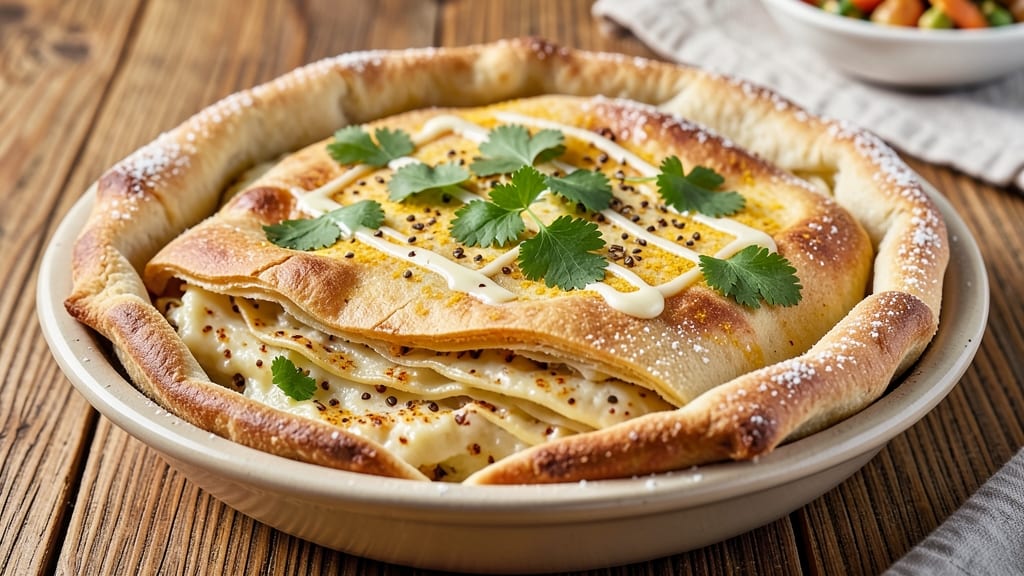
This aloo pie dough recipe transforms humble potatoes into a flaky, golden crust that rivals traditional pastry—perfect for both sweet and savory pies. 💛 The secret lies in blending spiced potato purée with cold butter, creating layers of crispy, buttery perfection that holds its shape even under filling.
I developed this after craving a pie with that comforting, homey texture but needing a gluten-free option that still delivers on flakiness.
The dough combines boiled potatoes with cold butter and spices, then rolls out like traditional pie crust but with a lighter, airier quality. This method ensures your aloo pie crust stays crisp at the edges while remaining tender inside, even when baked for extended periods.
The spiced potato base adds subtle warmth, making it ideal for both sweet fillings (like custard or fruit) and savory options (cheesy spinach or spiced lentils).
What sets this recipe apart is its versatility—use it as a crust for pies, tart shells, or even as a base for savory hand pies. The dough’s natural potato flavor pairs beautifully with dairy (like cream or yogurt in the filling) or complements bold spices without overpowering.
Once you try this, store-bought crusts will never measure up again.
Whether you're baking a classic Indian aloo pie with yogurt or experimenting with a cheesy mashed potato version, this dough delivers restaurant-quality results at home. Ready in under an hour with minimal effort, it’s the perfect solution for impressive desserts without the fuss. Let’s get started!
Ingredients for aloo pie dough
Six ingredients transform boiled potatoes into a flaky, golden crust perfect for pies.
| Ingredient | Amount | Notes |
|---|---|---|
| Russet Potatoes 🥔 | 3 lb | Medium size, peeled and boiled |
| Unsalted Butter 🧈 | 1 cup | Cold, cubed for flakiness |
| All-Purpose Flour 🌾 | 2 cups | Gluten-free blend if needed |
| Ground Cumin 🌿 | 1 tsp | Toasted for deeper flavor |
| Ground Coriander 🌿 | 1 tsp | Freshly ground preferred |
| Ground Turmeric 🌶️ | ½ tsp | Bright yellow for color |
| Salt 🧂 | 1 tsp | Kosher or sea salt |
| Ice Water 💧 | ½ cup | Chilled for binding |
| Lemon Juice 🍋 | 1 tbsp | Freshly squeezed |
| Ghee or Vegetable Oil 🫒 | 2 tbsp | For rolling out |
The potatoes are the foundation—Russet potatoes work best because they’re starchy and hold their shape when boiled. Whole Foods or any grocery store has them, but skip the pre-peeled bags (they’re waterlogged). Boil them until fork-tender, then mash them smooth—no lumps. The butter needs to be cold when mixed in; take it out of the fridge right before adding. I like Land O’Lakes unsalted butter for this, but any good brand works. For the spices, Penzeys has great whole spices if you want to toast them yourself, but the ground stuff from the grocery store is fine too.
No gluten-free flour? Almond flour or oat flour works in a pinch, but the texture will be denser. Short on cumin? Garam masala at half the amount gives a similar warmth. The ghee is optional but worth it—it adds richness and helps with browning. If you don’t have it, vegetable oil or melted butter works just fine. Lemon juice brightens the whole dough, so don’t skip it. And if you’re making this for a sweet pie, reduce the turmeric to 1/4 tsp—it’s strong stuff!
This dough keeps for 3 days wrapped in plastic in the fridge, but it’s best used fresh. For longer storage, wrap tightly and freeze for up to 3 months. Let it thaw in the fridge overnight before rolling. Pro tip: Roll it between two sheets of parchment paper to avoid sticking. The dough’s magic is in the layers, so handle it gently—don’t overwork it. And if you’re nervous about rolling? Use a pie dish as a guide to cut the dough to size.
Why You'll Love This Recipe
- No Fuss, Few Tools: I swear by this dough—just boiled potatoes, butter, and flour mashed together. No mixer, no rolling pin, no stress. The cumin and coriander do all the flavor work while you’re still deciding what to fill it with.
- Earthy Warmth in Every Bite: That toasted flour and spice combo? It’s like a hug for your taste buds. The potatoes add a subtle sweetness that balances the bold spices, and the butter makes it rich without being heavy. (Yes, even on a Tuesday night.)
- Leftovers That Don’t Suck: This dough keeps for days in the fridge—perfect for lazy mornings or last-minute snack attacks. I’ve used it for breakfast pies, savory hand pies, and even a quick flatbread. It’s my secret weapon for turning random ingredients into something golden and crispy.
- Budget-Friendly Magic: Russet potatoes and flour are cheap staples, and a little butter goes a long way. Honestly, I make this dough twice a month just because it’s so reliable. Plus, the spices add depth without breaking the bank—no fancy ingredients needed.
Step-by-step instructions for spiced potato crust with buttery flakiness
This dough transforms humble potatoes into a golden, spiced crust that's crispy on the outside and tender inside.
🍳 Step 1: Cook and Mash the Potatoes
Boil the 3 lb Russet Potatoes in salted water until fork-tender (15-20 minutes). Drain and let them cool slightly—you want them warm but not steaming when you handle them. Transfer to a clean bowl and mash them until completely smooth, with no lumps remaining. This is crucial for a tender crust.
While still warm, stir in the 1 tbsp Lemon Juice—this brightens the flavor and prevents the potatoes from turning gray. Let the mashed potatoes cool completely before proceeding. I like to spread them on a plate and refrigerate for 10 minutes to speed this up. Cold potatoes work better with the butter and flour.
👨🍳 Step 2: Mix Spices and Butter into the Potato Base
In a large mixing bowl, combine the mashed potatoes with the 1 cup Unsalted Butter (cold and cubed), 1 tsp Ground Cumin, 1 tsp Ground Coriander, 0.5 tsp Ground Turmeric, and 1 tsp Salt. Use your hands or a wooden spoon to work the butter into the potatoes until you have a crumbly, dough-like consistency. The spices will give your crust that warm, aromatic depth that sets it apart.
Here's the thing—don't overwork the mixture. You're aiming for a texture like coarse sand, not a smooth dough. The butter should be evenly distributed but still visible in small flecks. This ensures maximum flakiness when baked. If the mixture feels too dry, add 1-2 tablespoons of ice water at a time until it just comes together when pressed.
🥘 Step 3: Incorporate the Flour
Add the 2 cups All-Purpose Flour to the potato mixture and gently fold it in using a spatula or your hands. You want to keep the texture as light as possible—think of it like making a very rough pie dough. The goal is to distribute the flour evenly without developing gluten, which would make the crust tough. Work quickly to avoid warming the butter again.
Once the flour is incorporated, divide the dough into two equal portions. Wrap each portion tightly in plastic wrap and refrigerate for at least 1 hour. This chilling step is non-negotiable—it prevents the dough from shrinking during baking and helps create those beautiful flaky layers. I usually chill mine for 2 hours if I have time, which gives even better results.
🔥 Step 4: Roll and Bake the Crust
Preheat your oven to 375°F. On a lightly floured surface, roll out one portion of the chilled dough into a ¼-inch thick circle about 12 inches in diameter. Brush the bottom and sides of a 9-inch pie dish with 1 tablespoon of the Ghee or Vegetable Oil, then carefully transfer the rolled dough into the dish, pressing gently to fit. Trim any excess dough hanging over the edges.
Prick the bottom of the crust all over with a fork to prevent puffing. Line the crust with parchment paper, fill it with pie weights or dried beans, and bake for 15 minutes. Remove the weights and bake for another 10 minutes until the crust is golden brown and completely set. The edges should be firm to the touch, not soft or doughy. For extra crispiness, broil for 1-2 minutes at the end, watching closely to avoid burning.
Pro Tips For Making Aloo Pie Dough
- Boil Potatoes Until Fork-Tender: I used to pull them out when they were soft but still had resistance—big mistake. Russets need to mash like butter, so keep them in the water until a knife slides in like it’s buttering toast. Drain immediately and shake the colander hard to evaporate excess steam before mashing.
- Use Cold Butter for Flaky Layers: Warm butter makes dough greasy and tough. Cut that unsalted block into cubes, toss them in the dry flour and spices first, then mix in the mashed potatoes. The cold fat creates steam pockets when baked, giving you that crisp, flaky crust you’re after—no waiting for butter to cool.
- Skip the Overmixing: Once you add the flour, stop stirring after 2-3 turns. Overworking the dough activates the gluten, and you’ll end up with a chewy, dense pie shell instead of the light, crumbly texture this recipe deserves. It’s supposed to look shaggy, like wet sand.
- Toast the Spices First: Ground cumin and coriander lose their punch when added raw. Heat them in a dry pan over medium for 30 seconds until fragrant—just enough to wake up the flavors. Let them cool before mixing into the dough, or you’ll cook the potatoes all over again. Trust me, your pie will taste deeper.
Make-ahead tips for aloo pie dough
Prep Ahead Strategy
Make the dough up to 3 days in advance and store it wrapped tightly in plastic in the fridge. The flavors meld beautifully overnight, and the chilled dough is easier to handle when you're ready to roll.
For longer storage, freeze the dough for up to 3 months—just wrap it tightly in plastic wrap followed by a layer of aluminum foil. When you're ready to use it, thaw it in the fridge overnight for even handling. 💫
Rolling Out Tips
Roll the dough between two sheets of parchment paper to prevent sticking and make cleanup a breeze. Use a 9-inch pie dish as your guide to cut the dough to the perfect size—no guesswork! If the dough feels too sticky, chill it for an extra 10-15 minutes before rolling.
I like to use a rolling pin with a smooth surface (like my OXO Good Grips one) to avoid tearing. 🔥
Pre-Baking Shortcut
Pre-bake the crust up to 2 days ahead and store it in an airtight container at room temperature. Reheat it in a 350°F oven for 10-15 minutes before adding your filling to crisp it up again.
This is a game-changer for busy days—just pop it in the oven while you prep the rest of your pie. For extra crispiness, brush the pre-baked crust with a little melted butter before reheating. ✨
Filling Prep Timeline
If you're making a savory aloo pie, prep the filling (like spiced potatoes or cheese) 1 day ahead and store it in the fridge. For sweet fillings (like custard or fruit), make them the same day to avoid sogginess.
I often prep the filling while the crust is chilling—it’s a great way to multitask. Just keep the filling cold until you’re ready to assemble the pie. 📅
Freezer-Friendly Assembly
Assemble the pie 1 day ahead and freeze it unbaked in an airtight container. When you're ready to bake, thaw it in the fridge overnight, then bake as directed. This is perfect for holiday pies or when you want to avoid last-minute stress.
Just add 10-15 minutes to the baking time if the pie is cold. Trust me, this method keeps the crust crisp and the filling perfect. ❄️
Reheating Leftover Pie
Slice and reheat individual portions in a 350°F oven for 10-15 minutes to keep the crust crisp. For a quick fix, microwave slices on 50% power for 30-45 seconds, then cover with a damp paper towel to retain moisture.
Leftover aloo pie also reheats beautifully in a skillet over medium-low heat—just cover it and let it warm through gently. 💪
Nutrition facts
Frequently asked questions
Can I make this aloo pie dough without butter?
You can substitute butter with 2/3 cup vegetable shortening or vegan butter for a dairy-free version. However, butter creates the signature flakiness—shortening will give a slightly denser but still delicious crust. If using oil, expect a more cake-like texture rather than flaky layers.
How do I fix a cracked crust during baking?
Cracks usually happen if the dough warms too quickly. Pre-bake the crust with pie weights for 15 minutes before adding filling, then bake at 350°F for 10 minutes to set it. For cracks that appear later, cover them with extra dough or a lattice top—no one will notice! The key is proper chilling before rolling.
What's the best filling for this potato crust?
For a classic Indian aloo pie, try a spiced potato filling with yogurt, cream, and paneer. For savory options, cheesy spinach or lentils work beautifully. Sweet versions pair well with custard, fruit compote, or even chocolate ganache. The crust's subtle spice complements both rich and light fillings equally!
Can I use sweet potatoes instead of Russets?
Sweet potatoes will work but require adjustments. Their natural sweetness and moisture mean you'll need 1/2 cup less ice water and 1/4 cup extra flour to bind. Roast them first to concentrate their flavor, then mash as directed. The crust will have a slightly sweeter taste—great for dessert pies but less ideal for savory versions.
Why did my crust turn out dense instead of flaky?
Overworking the dough or using warm butter are the most common culprits. Keep the butter cold, handle the dough minimally, and avoid adding too much water. The texture should resemble coarse sand before baking. If the dough feels sticky, chill it 15 extra minutes—this helps create those perfect flaky layers.