
Desserts
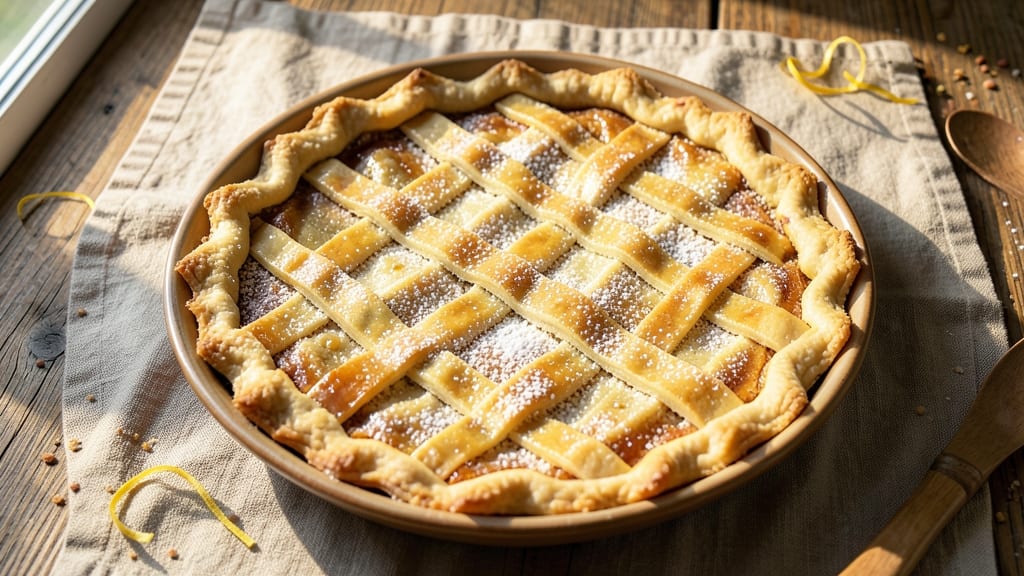
This gluten-free almond pie crust delivers the nutty crunch of classic crusts without the gluten, using almond flour and a touch of xanthan gum for structure. The secret lies in proper chilling and gentle handling—almond flour behaves differently than wheat flour, so patience is key.
What you'll end up with is a crisp, golden crust that holds its shape perfectly, ideal for sweet fillings like custard or berries.
The recipe combines simple ingredients—almond flour, butter, sugar, and egg—to create a rich, flavorful base. Unlike traditional pie crusts, this version requires no rolling pin; instead, you'll press it directly into the pan for even coverage.
A 15-minute chill before baking ensures it stays together without cracking, a common pitfall with gluten-free crusts.
Perfect for vegetarian desserts, this crust pairs beautifully with fruit fillings, custards, or even savory toppings like caramelized onions. The almond flavor adds depth without overpowering, making it versatile for both classic pies and creative twists. Let's get started—your gluten-free desserts are about to get an upgrade.
For best results, use room-temperature butter and avoid overmixing the dough. If you're new to almond flour, don't worry—this recipe is designed to be foolproof, with tips to prevent cracks and ensure a flawless finish. Once you try it, you'll never go back to traditional crusts.
Ingredients for almond pie crust recipe gluten free
Simple yet transformative ingredients create a gluten-free crust with restaurant-quality crunch.
| Ingredient | Amount | Notes |
|---|---|---|
| Super-Fine Almond Flour 🥜 | 2 cups | Blanched, finely ground preferred |
| Unsalted Butter 🧈 | ¾ cup | Cold, cubed for even texture |
| Granulated Sugar 🍚 | ¼ cup | Fine grain for smooth mixing |
| Large Egg 🥚 | 1 whole | Room temperature for blending |
| Xanthan Gum 🧪 | ¼ tsp | Essential for gluten-free binding |
| Vanilla Extract 🌿 | ½ tsp | Pure alcohol-free preferred |
| Kosher Salt 🧂 | ¼ tsp | Diamond Crystal preferred |
| Ice Water 💧 | 1 tbsp | For dough cohesion (optional) |
| Powdered Sugar 🍚 | 1 tbsp | For sprinkling before baking |
Almond flour is the star here—Bob's Red Mill or King Arthur brands are my go-tos for consistent texture. The super-fine grind blends seamlessly, while regular almond flour can leave gritty spots. Room-temperature butter is non-negotiable; cold cubes prevent overmixing. For the almond flour, check the label—some brands use almond meal (coarser) instead of finely ground flour. If you can't find super-fine, pulse regular almond flour in a food processor until ultra-smooth. The xanthan gum might be hiding in the baking aisle—grab it with the gluten-free flours if your store has one.
No xanthan gum? Psyllium husk powder at half the amount works in a pinch, but the texture won't be identical. Short on almond flour? Substitute 1 cup almond meal plus 1 tbsp extra butter, but expect slightly more texture variation. The vanilla extract can be omitted if you're not a fan, but I always include it—the aroma makes the crust smell like a bakery. For a savory twist, swap the sugar for 1 tsp onion powder and skip the vanilla entirely. The powdered sugar sprinkle? Don't skip it—it's what gives that golden, bakery-style finish.
This dough needs a 15-minute chill before pressing—no exceptions. Use parchment paper to line your pie dish first, then press the dough through it for easy removal. Store leftover dough between parchment sheets in the fridge for up to 3 days or freeze for 1 month. Once baked, the crust stays crisp at room temperature for 2 days if sealed airtight. For extra insurance against cracks, press the dough slightly thicker at the edges—it's where they always split.
Why You'll Love This Recipe
- No-Fuss Mixing: Honestly, this crust comes together in five minutes—just pulse the almond flour, butter, and sugar in a food processor until it looks like wet sand. No rolling, no stress, no waiting for dough to rest. That xanthan gum binds it all so well, you’d never guess it’s gluten-free.
- Buttery Almond Magic: The combo of super-fine almond flour and cold butter gives it that perfect balance—crisp on the edges, tender in the middle, with a nutty sweetness that’s dangerously addictive. (Yes, I’ve been known to eat it straight from the bowl.)
- Pie or Tart? Yes.: This crust holds its shape like a champ for pies, but it’s also my go-to for mini tarts or galettes. Use it for fruit, custard, or even savory fillings—it’s that versatile. My kids even ask for it in their lunchboxes.
- Lasts Without Losing Flavor: Stored in the fridge for up to a week, it stays crisp and fresh. Freeze it for months if you’re prepping ahead, and it thaws like it was just made. No dry, sad crust here—just reliable, foolproof perfection.
Step-by-step instructions for almond pie crust recipe gluten free
Here's how to create a perfectly crisp, nutty crust that holds its shape and delivers that signature almond flavor.
Mix Dry Ingredients for Perfect Texture
In a large bowl, whisk together the 2 cups super-fine almond flour, 0.25 cup granulated sugar, 0.25 tsp xanthan gum, and 0.25 tsp kosher salt. I use a whisk for this step to ensure even distribution of the xanthan gum—it's crucial for binding in gluten-free baking. You'll see the sugar dissolve slightly into the flour, creating a fine, powdery mixture. This dry blend forms the structural foundation of our crust, so take your time to break up any lumps.
The xanthan gum might seem like an unusual addition, but trust me—it prevents that crumbly texture many gluten-free crusts develop. If you don't have xanthan gum, you can substitute 0.5 tsp psyllium husk powder, but the crust will be slightly less tender. Sift the mixture if you have any flour clumps, but don't worry if you miss a few—they'll blend in during mixing.
Cut in Cold Butter for Flaky Layers
Add the 0.75 cup cold, cubed unsalted butter to the dry mixture. Using a pastry cutter or your fingers, work the butter into the flour until you achieve pea-sized crumbs with some flour still visible. This texture is perfect—it ensures we get those beautiful flaky layers when baked. If the mixture starts sticking together, chill it for 10 minutes before proceeding.
Here's the thing about cold butter: it melts slowly in the oven, creating steam pockets that separate the layers and give us that signature flakiness. If you use warm butter, you'll end up with a dense, cake-like crust instead of the crisp, shatterable texture we're after. Work quickly but gently—too much handling will develop gluten-like properties in the almond flour.
Add Wet Ingredients and Form the Dough
Make a well in the center of the mixture and add the 1 whole large egg, 0.5 tsp vanilla extract, and 1 tbsp ice water. Using a fork or your hands, gently mix until the dough just comes together. You might need to add an extra ½ tsp ice water if it feels too dry—just enough to hold when pressed. The dough should be cool to the touch and slightly tacky but not sticky.
I like to press the dough together firmly for about 30 seconds to ensure all the ingredients are fully incorporated. This is where the vanilla extract shines—it adds depth that plain almond crusts often lack. If your dough feels too crumbly, chill it for 15 minutes before shaping. The cold temperature helps the butter solidify again, making the dough easier to handle.
Shape and Chill for Perfect Crispiness
Divide the dough into two equal portions and flatten each into a 12-inch round. Wrap each in plastic wrap and press them into 9-inch pie dishes, gently shaping them to fit the bottom and sides. This step is all about creating an even thickness—about ⅛ inch—for consistent baking. Use your fingers to smooth any rough edges, but don't press too hard or you'll compress the butter layers.
Refrigerate the crusts for at least 30 minutes (up to 2 hours works best). This chilling period is non-negotiable—it allows the butter to firm up again, preventing excessive spreading in the oven. While they chill, preheat your oven to 350°F. The longer you chill, the more stable your crust will be during baking, resulting in that perfect golden-brown finish we're after.
Blind-Bake for Structural Support
Line the crusts with parchment paper and fill with pie weights or dried beans. Bake at 350°F for 15 minutes, then remove the weights and bake for another 10 minutes until the edges are light golden brown and the center feels firm to the touch. The parchment prevents the crust from puffing up while the weights ensure it holds its shape. If the edges brown too quickly, tent with foil to prevent burning.
For the final touch, brush the baked crust with a simple glaze made by whisking 1 tbsp powdered sugar with 1 tsp ice water until smooth. This gives that professional bakery finish. Let the crust cool completely before adding your filling—this prevents soggy bottoms. The result should be a crisp, shatterable crust with just the right amount of almond flavor that complements any filling you choose.
Pro Tips For Making Almond Pie Crust Recipe Gluten Free
- Chill the Dough Firmly: I learned this the hard way—skipping the fridge leads to a greasy, crumbly mess. Press the dough into your pie dish, wrap it tightly in plastic, and refrigerate for at least 30 minutes (longer if your kitchen is warm). Cold butter behaves better, and the crust holds together like it should.
- Mix Butter and Flour First: Combine the almond flour and cold butter with your hands or a fork until it looks like wet sand. Only add the egg and sugar after—this prevents gluten-free grittiness and keeps the texture tender. (Yes, even if you’re impatient like me.)
- Press It Evenly: Don’t just dump the dough and hope for the best. Use a glass to press it into the pan, rotating slightly as you go. If it cracks, patch it with extra dough—uneven thickness means some parts will burn while others stay doughy. (Your future self will thank you.)
- Skip the Overmixing: Once you add the egg, mix just until combined—overworking the dough turns it dense. A few streaks of egg are fine; don’t turn it into batter. The crust needs structure, not glue. (I know, it feels weird, but trust the process.)
Wine and beer pairings for this recipe
Sweet Dessert Wines
A Moscato d'Asti from Italy is my go-to pairing for this almond crust—its light, floral notes and subtle sweetness complement the nutty richness without overpowering. The effervescence also cleanses the palate between bites of creamy custard or berry fillings.
Look for bottles with 10-12% alcohol and 12-14g/L residual sugar for that perfect balance. 🍷
For a richer pairing, try a German Riesling Kabinett with off-dry sweetness. The citrus and peach notes in these wines (especially from the Mosel region) contrast beautifully with the almond's natural sweetness while adding complexity.
Aim for a 2018-2020 vintage—they're often more affordable than recent years but still deliver excellent acidity.
Dry Red Wines
If you prefer red wine, a Pinot Noir from Oregon's Willamette Valley works surprisingly well. Its bright acidity and red fruit flavors cut through the richness of the crust while the earthy undertones harmonize with almond's nutty profile.
Choose a 2019-2021 vintage with 13-14% alcohol to avoid overwhelming the delicate crust.
A Spanish Garnacha (Grenache) with 1-2% residual sugar also pairs beautifully, especially with fruit-based fillings like peach or apricot. The wine's jammy berry notes echo the sweetness of the crust while its moderate tannins provide structure.
Look for bottles from Priorat—they often have that perfect balance of fruit and earth.
Beer Pairings
For beer lovers, a Belgian Witbier like Hoegaarden or St. Bernardus Wit is a fantastic match. The coriander and orange peel notes in these beers (with 4.5-5% ABV) complement the almond's natural sweetness while the slight tartness keeps the palate fresh. Serve slightly chilled to enhance the citrus flavors.
If you prefer darker beers, try a Belgian Dubbel like Westmalle Dubbel. The malty sweetness (with 6-7% ABV) and caramel notes create a delicious contrast with the crust's nutty profile. The alcohol warmth also helps cut through rich fillings like chocolate or caramel.
Non-Alcoholic Options
For a refreshing non-alcoholic pairing, try sparkling apple cider with 1% residual sugar. The effervescence and crisp apple flavors cleanse the palate beautifully, while the slight sweetness complements the almond crust. Brands like Martinelli's or Woodchuck Hard Cider (non-alcoholic version) work perfectly.
A hibiscus iced tea with 1 tsp honey and a squeeze of lime is another excellent choice. The tartness of the hibiscus balances the crust's richness, while the honey adds just enough sweetness to harmonize with the almond flavor.
Serve over ice for a refreshing contrast to the warm pie. 🍹
Nutrition facts
Frequently asked questions
Can I make this almond pie crust without xanthan gum?
Yes! Replace the ¼ tsp xanthan gum with ½ tsp psyllium husk powder for binding, though the texture will be slightly less tender. For a grittier but still functional crust, omit it entirely and increase the almond flour by 1 tbsp—just expect a denser result. The crust will still hold together but may lack the delicate flakiness.
Why does my almond pie crust crack when baking?
Cracking usually happens from three issues: insufficient chilling (must be 30+ minutes), uneven thickness, or overbaking. Press the dough ⅛-inch thick and make edges slightly thicker. Also, blind-bake with pie weights for 15 minutes before adding filling—this prevents excessive shrinking. If cracks appear, brush with 1 tbsp egg wash before baking for a smoother finish.
Is this crust suitable for savory pies?
Skip the vanilla and sugar, then add 1 tsp onion powder or ½ tsp garlic powder to the dry ingredients. For extra savory depth, mix in 1 tbsp grated Parmesan or 1 tbsp nutritional yeast. This crust pairs beautifully with spinach and cheese fillings, quiches, or even savory fruit combinations like caramelized onions and goat cheese.
How do I store leftover almond pie crust?
Wrap baked crusts tightly in plastic wrap and store at room temperature for 2 days or freeze for 1 month. For unbaked dough, flatten between parchment paper and refrigerate for up to 3 days or freeze for 3 months. Thaw frozen dough in the fridge overnight—never at room temperature to prevent butter from melting. Re-crisp baked crusts at 350°F for 5 minutes before serving.
Can I use almond meal instead of almond flour?
While possible, almond meal (coarser texture) works best when pulsed in a food processor until ultra-fine. For the recipe, use 2 cups almond meal + 1 tbsp extra butter to compensate for moisture differences. Expect a slightly grainier texture unless you process it thoroughly. The flavor remains excellent, but the crust may lack the same delicate crumb. For best results, stick with super-fine almond flour.