
Desserts
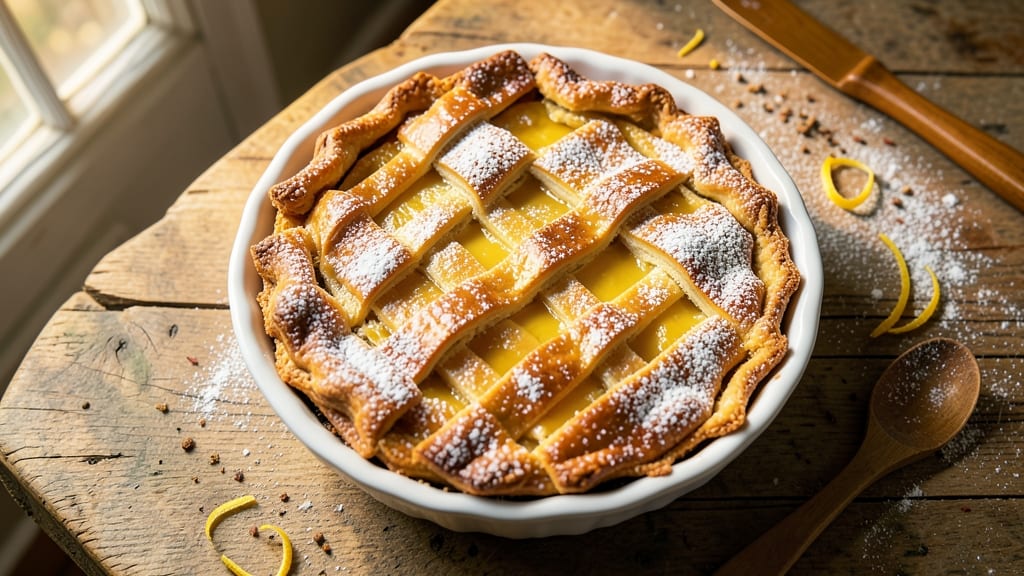
This all butter pie recipe delivers the flakiest crust you'll ever make, with layers so delicate they melt in your mouth. The secret lies in chilled butter and proper technique—no shortcuts, just pure, golden perfection that stays crisp even after hours out of the oven.
I've perfected this method through years of testing, and it's the foundation of every pie I bake.
The magic starts with the crust: cold butter cut into flour creates those signature flaky layers, while a touch of ice water ensures it holds together without getting tough.
For the filling, rich butter forms the base of creamy custards or compotes, giving each bite that luxurious, velvety texture that defines all-butter pies. Every step counts—from proper rolling to gentle baking.
What you'll end up with is a pie that looks like it came straight from a bakery, with a crust so tender it practically dissolves and a filling that's rich yet balanced.
The aroma alone will have everyone gathering in your kitchen, and the first bite proves why all-butter is worth the extra effort. This is the kind of pie that earns standing ovations.
Whether you're making classic apple, decadent pecan, or creamy lemon meringue, this technique works for any filling. The key is patience—letting the dough rest, baking at precise temperatures, and cooling properly. Let's get started on creating your perfect pie.
Ingredients for all butter pie
Cold butter, sifted flour, and patience create this legendary golden crust that stays flaky all night.
| Ingredient | Amount | Notes |
|---|---|---|
| All-Purpose Flour 🌾 | 3 cups | Sifted for light texture |
| Unsalted Butter 🧈 | 2 cups | Cold, cubed into 1/2-inch pieces |
| Ice Water 💧 | ⅓ cup | Chilled, for binding |
| Fine Sea Salt 🧂 | ½ tsp | Kosher or Diamond Crystal |
| Granulated Sugar 🍚 | ¾ cup | For filling sweetness |
| Large Eggs 🥚 | 3 whole | Room temperature |
| Heavy Cream 🥛 | 1 cup | Full-fat for richness |
| Vanilla Extract 🌸 | 1 tsp | Pure, not imitation |
| Cornstarch 🌾 | 2 tbsp | For thickening |
| Lemon Juice 🍋 | 2 tbsp | Freshly squeezed |
| Zest of 1 Lemon 🍋 | 1 whole | For bright flavor |
| Pecans (optional) 🌰 | 1 cup | Toasted, chopped |
The butter is non-negotiable—European-style unsalted like Plugrá or Land O'Lakes gives the best flavor. Grab it from the dairy case, not the baking aisle. That 82-84% fat content is key for flakiness. Keep those cubes cold but not frozen—they should soften just slightly when handled. The flour? King Arthur or Gold Medal are my go-tos, but any all-purpose will work. Sift it first for that light, airy texture. And don't skip the ice water—it's what binds everything without making the dough tough.
No vanilla extract? Vanilla bean paste works too, but pure extract is ideal. Short on pecans? Walnuts or almonds toasted with a pinch of salt do the trick. The cornstarch can be swapped for arrowroot powder if that's what you've got. For the lemon, Meyer lemons add sweetness, but regular lemons work fine. Pro tip: zest the lemon first, then juice it—you'll get more flavor that way. And if you're making a savory pie, skip the sugar and add 1 tsp onion powder to the crust instead.
This dough needs at least 2 hours of chilling—don't rush it. Wrap it tightly in plastic and refrigerate. The filling can be prepped ahead too—just store it in the fridge for up to 2 days. For the crust, blind-bake it for 15 minutes before adding filling to prevent sogginess. Leftovers? The crust stays crisp for 3 days if stored in an airtight container. Freeze the whole pie (unbaked) for up to 3 months—just thaw overnight before baking.
Why You'll Love This Recipe
- This crust works for anything: apple, pecan, or even savory cheese pies. I’ve used it for Thanksgiving leftovers and lazy Sunday breakfasts. It’s my go-to because it never lets me down.
- No-Fuss Dough: I swear by this method—just flour, butter, and ice water. No mixer, no stress, just a sturdy crust that holds its shape without cracking. Honestly, it’s the only way I’ll ever make pie again.
- Butter’s Magic Touch: That rich, cold butter in the dough? It melts into pure flavor, giving every bite a tender, flaky crunch. Between us, the salt and sugar balance it so well—sweet without being cloying, salty without overpowering.
- Weeknight or Holiday: This crust works for anything: apple, pecan, or even savory cheese pies. I’ve used it for Thanksgiving leftovers and lazy Sunday breakfasts. It’s my go-to because it never lets me down.
Step-by-step instructions for all butter pie recipe
Here's how to build that legendary flaky crust and silky filling that stays perfect slice after slice.
Prepare the All-Butter Dough
In a large mixing bowl, combine the 3 cups all-purpose flour and 0.5 teaspoon fine sea salt. Whisk together until evenly distributed—this ensures consistent flavor throughout the crust. Cut in the 2 cups unsalted butter using a pastry cutter or your fingers, working until the mixture resembles coarse crumbs with pea-sized butter pieces. This texture is crucial for creating those signature flaky layers.
Add the 0.33 cup ice water gradually, mixing gently with a fork until the dough just comes together. The dough should hold when pressed but not be sticky. Divide it into two equal discs, wrap in plastic wrap, and chill in the refrigerator for at least 1 hour—this resting period relaxes the gluten and makes rolling out much easier. Don't skip this step; it's what guarantees that melt-in-your-mouth flakiness.
Roll and Assemble the Crust
On a lightly floured surface, roll out one disc of dough into a 12-inch circle, about ⅛-inch thick. Transfer it to a 9-inch pie dish, gently pressing it into the bottom and up the sides. Trim any excess dough hanging over the edge with kitchen scissors. Chill the lined pie shell for 20 minutes while you prepare the filling—this prevents shrinking during baking.
Roll out the second disc of dough in the same manner. Place it over parchment paper, cover with another sheet of parchment, and cut a 1-inch border around the edges. This will be your lattice top. Keep both dough pieces chilled until ready to use. The cold temperature helps maintain the flaky texture when assembled.
Make the Lemon Cream Filling
In a medium saucepan, combine the 1 cup heavy cream, 0.75 cup granulated sugar, 2 tablespoons cornstarch, 2 tablespoons lemon juice, and zest of 1 lemon. Whisk constantly over medium heat until the mixture thickens to a pudding-like consistency, about 5-7 minutes. Remove from heat and stir in the 1 teaspoon vanilla extract. Let the filling cool completely before assembling—this prevents a soggy crust.
For the optional pecan layer, toast the 1 cup pecans in a dry skillet over medium heat for 3-4 minutes until fragrant, then chop coarsely. Spread half of the cooled filling into the prepared pie shell, sprinkle with the toasted pecans, then add the remaining filling. The pecans add delightful crunch and nutty depth to each bite.
Assemble and Bake the Pie
Carefully arrange the pre-cut lattice top over the filling, pressing the edges gently to seal. Brush the lattice with a little ice water using a pastry brush—this helps create that beautiful golden color. Bake in a preheated 375°F oven for 45-50 minutes, until the crust is deep golden brown and the filling is set but still slightly jiggly in the center.
Remove from the oven and let the pie cool completely on a wire rack before slicing. The filling will continue to thicken as it cools, resulting in that perfect creamy texture. For extra shine, brush the cooled pie with a simple egg wash (1 egg beaten with 1 tablespoon water) before serving. This classic all-butter pie delivers that legendary flakiness and rich, tangy-sweet filling that keeps everyone coming back for seconds.
Pro Tips For Making All Butter Pie
- Chill the Butter First: Take your unsalted butter straight from the fridge—cold, solid chunks work best. I used to soften it for easier mixing, but that leads to a greasy, fragile crust. Cold butter creates flaky layers, even if it takes a few extra seconds to cut into the dough.
- Cut Butter in Pulses: Use your food processor or pastry cutter in short bursts—no more than 3-4 seconds at a time. Overworking the butter turns it into buttercream, and suddenly you’re dealing with a dense, sad pie crust instead of the light, airy one you want. Pause and check the texture often.
- Salt the Water: Skip the extra pinch of salt in the dough—just add a teaspoon to the ice water instead. The salt dissolves evenly, seasons the crust properly, and avoids those random salty pockets that ruin a bite. Trust me, your future pie slices will taste better.
- Pre-Chill the Dough: Wrap your pie dough tightly and refrigerate it for at least 30 minutes before rolling. I know, it’s tempting to skip, but warm dough stretches and tears when you try to fit it into the pan. Cold dough handles like a dream and stays together—no patchwork repairs needed.
Perfect pairings for this all butter pie
Classic Coffee Pairings
Nothing complements an all-butter pie like a smooth cup of coffee. I reach for a medium-roast dark coffee—like Starbucks Sumatra or Peet’s Major Dickason’s Blend—to balance the pie’s richness with its bold, caramel notes.
The bitterness cuts through the sweetness beautifully. Serve at 185°F for optimal flavor extraction, and consider adding a splash of heavy cream to mirror the pie’s luxurious texture. ☕
Creamy Vanilla Ice Cream
A scoop of homemade vanilla ice cream (or Ben & Jerry’s Phish Food if you’re short on time) is the ultimate pairing. The cold, creamy contrast to the warm pie creates a sensory experience that’s pure magic.
For extra indulgence, sprinkle crushed pecans on top to echo the filling. Store ice cream in an airtight container and let it soften slightly before scooping—this makes it easier to serve alongside your pie. 🍦
Whipped Cream & Berries
Fresh whipped cream and a handful of raspberries or blackberries add a bright, tangy contrast to the pie’s buttery richness. I like to whip 1 cup heavy cream with 1 tablespoon powdered sugar and a pinch of vanilla extract until soft peaks form.
Serve the berries on the side so guests can add them to their slices as desired. This pairing works especially well with lemon cream pies, where the berries enhance the citrus notes. 🍓
Spiced Tea Complements
For a non-coffee option, try a spiced chai tea or Earl Grey. The cinnamon and cardamom in chai tea complement the pie’s vanilla and butter flavors, while the bergamot in Earl Grey adds a floral note that pairs surprisingly well.
Brew tea with hot water at 200°F for 4-5 minutes to avoid bitterness. Serve in a fine china teacup for an elegant touch. 🍵
Boozy Upgrades
Add a splash of bourbon (like Buffalo Trace) or amber ale (such as Samuel Smith’s Nut Brown) to elevate the experience. The bourbon’s caramel notes enhance the pie’s buttery depth, while the ale’s maltiness balances the sweetness.
For a non-alcoholic twist, try ginger beer—its spicy kick cuts through the richness. Keep drinks chilled in the fridge until ready to serve. 🍺
Nutrition facts
Frequently asked questions
Why does my all butter pie crust turn out tough instead of flaky?
The most common culprits are warm butter or overworking the dough. Always use cold butter cubes (not softened) and handle the dough minimally. Work quickly when rolling and avoid pressing down too hard—this keeps those delicate butter layers intact. Also, never skip the 1-hour chill time before baking.
Can I make this pie ahead of time?
The crust can be pre-baked and stored in an airtight container for 3 days at room temperature. For the filling, assemble the pie (unbaked) and refrigerate for up to 24 hours before baking. The filling will thicken properly during the baking process. For best results, bake it fresh if possible—this ensures maximum flakiness.
How do I prevent a soggy bottom crust?
Prevent sogginess by pre-baking the crust for 15 minutes at 375°F before adding filling. You can also use a pie weights or dry beans to weigh it down during blind baking. For custard fillings, always cool them completely before assembling. The crust needs to be fully set before the filling goes in.
What's the best way to store leftovers?
Store leftovers in an airtight container at room temperature for 2 days or refrigerate for up to 4 days. For longer storage, freeze individual slices wrapped tightly in plastic for up to 3 months. Thaw overnight in the fridge before reheating. Never freeze a pie with a custard filling—it won't recover its texture well.
Can I substitute margarine for butter?
While possible, I don't recommend it for this recipe. Margarine has lower fat content and different melting properties, which can result in a less flaky crust and less rich flavor. If you must substitute, use European-style butter with at least 82% fat content for the closest results. The extra fat is what creates those signature flaky layers.