
Desserts
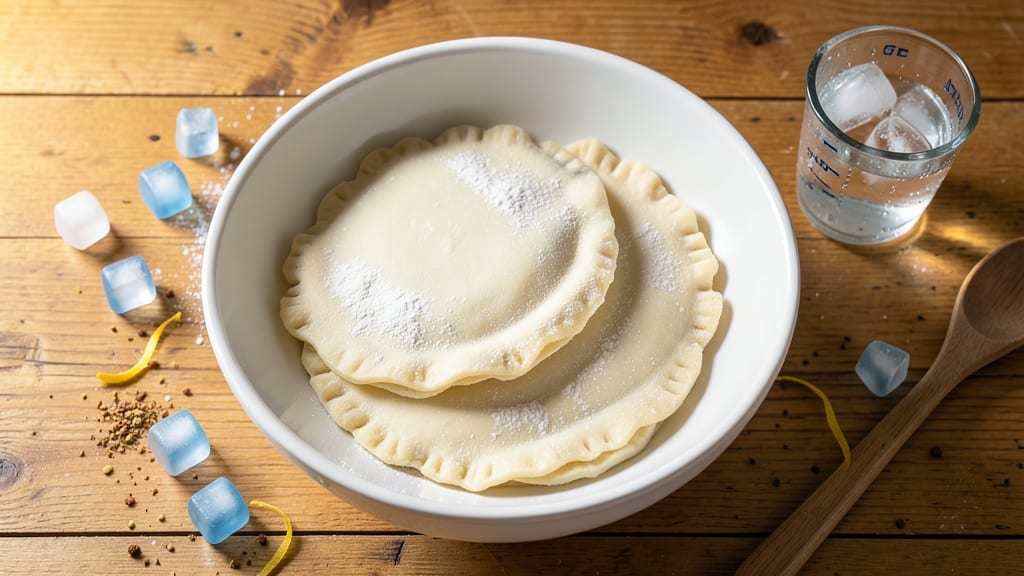
This 2 pie crust recipe with Crisco delivers restaurant-quality flakiness without the fuss of rolling pins or butter chilling. The secret lies in Crisco's high melting point, which creates those signature delicate layers while keeping the dough manageable.
I've perfected this method over years of baking—no more tough, greasy crusts or frustrating dough that cracks under pressure.
What makes this recipe work is the two-step mixing technique: first blending the dry ingredients with Crisco until pea-sized crumbs form, then gradually adding ice water to form a cohesive dough.
The key to flaky layers is minimal handling—just press the dough into your pan and let the oven do the rest. This method works equally well for sweet pies, savory pot pies, or handheld hand pies.
By the time your pie emerges from the oven, you'll have a golden, crisp crust with layers so delicate they practically melt in your mouth. The Crisco ensures rich flavor without the butter's tendency to over-brown, while the ice water keeps the texture tender.
This is the kind of crust that makes even pie skeptics ask for seconds.
Whether you're baking a classic apple pie, a hearty chicken pot pie, or mini hand pies, this technique delivers professional results every time. The dough stays cool enough to handle without sticking, and the final crust holds its shape beautifully. Let's get started on that perfect pie crust.
Ingredients for 2 pie crust recipe crisco
Seven simple ingredients transform into two perfect pie crusts with Crisco's magic.
| Ingredient | Amount | Notes |
|---|---|---|
| All-Purpose Flour 🌾 | 3 cups | Sifted for best texture |
| Crisco Shortening 🧈 | 1 cup | Pure vegetable shortening |
| Ice Water 💧 | ½ cup | Chilled for 1 hour minimum |
| Diamond Crystal Kosher Salt 🧂 | 1 tsp | Fine grain preferred |
| Granulated Sugar 🍚 | 1 tbsp | For sweet pies only |
| Ice Cubes ❄️ | ¼ cup | For dough cohesion |
| Cornstarch 🌾 | 1 tbsp | Optional for extra flakiness |
Crisco is the star here—grab the tub from the baking aisle, not the stick margarine. The high melting point creates those signature flaky layers without butter's browning issues. For flour, King Arthur or Gold Medal brands yield the best texture, but any all-purpose works. The ice water is non-negotiable: freeze water in ice cube trays for easy measuring. Pro tip: Keep everything cold by chilling your mixing bowl and utensils beforehand—this prevents the shortening from softening too soon.
No Crisco? Vegetable shortening or lard work in a pinch, but texture may vary. Short on ice water? Cold sparkling water adds air for extra lift. The cornstarch is optional but worth it for ultra-delicate layers—think of it as insurance against tough crusts. For savory pies, skip the sugar entirely. If your kitchen lacks ice cube trays, freeze water in a shallow container and break into chunks. The dough should hold together when pressed but not be sticky—if it's too dry, add 1 tsp more ice water.
This dough stays fresh for 3 days wrapped in plastic in the fridge. For longer storage, freeze portions for up to 3 months—wrap tightly in foil first. To use frozen dough, thaw in the fridge overnight. The secret to perfect pressing: use a pie dish with a removable bottom or parchment paper. Chill the dough 30 minutes before pressing to maintain shape. Leftover dough? Roll into balls, freeze, and bake as hand pies later—no waste here.
Why You'll Love This Recipe
- No-Fuss Flaky Base: I swear by this for pies, hand pies, or even pot pies—just mix the flour, Crisco, ice water, and salt until it clumps, then chill. No food processor, no fuss, and the flakiness? Unmatched.
- Crisco Magic: That golden Crisco creates layers so crisp they shatter like autumn leaves. Add a pinch of sugar, and suddenly your crust has a buttery sweetness that makes store-bought look sad.
- Dollar Stretch: A box of flour and a tub of Crisco last me months. This recipe feeds a crowd for under $5—perfect for potlucks, game days, or when I’m feeding teenagers who eat like black holes.
- Make-Ahead Masterpiece: Roll it, wrap it, freeze it. I keep pre-cut crusts in bags for months. Thaw, fill, bake—no last-minute stress. Honestly, my lazy Sundays thank me every time.
Step-by-step instructions for flaky pie crust without a rolling pin
This method delivers restaurant-quality flakiness using Crisco and ice water—no rolling pin required.
Mix Dry Ingredients with Shortening
In a large bowl, combine the 3 cups All-Purpose Flour, 1 tsp Diamond Crystal Kosher Salt, 1 tbsp Granulated Sugar, and 1 tbsp Cornstarch. Whisk to eliminate any lumps, ensuring even distribution of the dry ingredients. This step guarantees uniform texture throughout the crust.
Add the 1 cup Crisco Shortening to the dry mixture. Using your fingers or a pastry cutter, work the shortening into the flour until the mixture resembles coarse crumbs with pea-sized fat pieces. Avoid overworking the dough—this prevents the flaky layers from forming properly. The goal is to distribute the fat evenly without developing gluten.
Add Ice Water and Ice Cubes Gradually
Create a well in the center of the flour mixture and pour in the 0.5 cup Ice Water. Add the 0.25 cup Ice Cubes directly to the wet ingredients. Using a fork or your hands, gently mix until the dough begins to come together. The ice water and cubes create a cold environment that prevents the fat from melting too quickly, preserving the flakiness.
Continue mixing until the dough forms a shaggy mass that holds together when pressed. If the dough feels too dry, add 1 tablespoon of ice water at a time until it just comes together. Overmixing at this stage will toughen the crust, so work quickly and efficiently. The dough should be cool to the touch—this is critical for achieving flaky layers.
Shape and Chill the Dough
Turn the dough onto a lightly floured surface and gently press it into a 12-inch round disc about ½-inch thick. If you notice any dry spots, use a pastry brush to lightly dampen them with ice water. The dough should be uniform in thickness to ensure even baking.
Wrap the dough tightly in plastic wrap and refrigerate for at least 1 hour (or up to 24 hours). Chilling firms up the fat, which prevents the crust from shrinking during baking. This step is non-negotiable—skipping it will result in a dense, tough crust instead of the flaky texture you're after.
Blind-Bake for Perfect Crust
Preheat your oven to 375°F. Line a 9-inch pie dish with parchment paper, leaving an overhang on the sides. Transfer the chilled dough to the pie dish and press it gently into the bottom and up the sides, trimming any excess. The dough should be ¼-inch thick at the base and ⅛-inch thick at the edges.
Place a second sheet of parchment paper over the dough and fill the center with pie weights or dried beans. Bake for 20 minutes until the edges are light golden brown. Remove the weights and parchment, then bake for an additional 5-8 minutes until the crust is fully set. The bottom should be golden brown and the edges slightly puffed. Avoid overbaking—this can make the crust dry and brittle.
Fill and Bake Your Pie
Remove the crust from the oven and let it cool for 10 minutes before filling. This brief rest prevents the hot filling from causing the crust to collapse. The crust should hold its shape when gently pressed, indicating it's ready for your pie filling.
Add your filling and bake according to the recipe's instructions. The pre-baked crust ensures a crispy, flaky base that won't sog from wet fillings. For extra shine, brush the baked crust with a beaten egg white mixed with 1 tablespoon of ice water before serving.
Pro Tips For Making 2 Pie Crust Recipe Crisco
- CHILL THE CRISCO FIRST: Take that stick of Crisco out of the pantry 15 minutes before mixing—room temperature makes it too soft, and you’ll end up with a greasy mess instead of flaky layers. I learned this the hard way when my first attempt turned into a sad, sticky dough ball.
- CUT IN THE SHORTENING FAST: Use a pastry cutter or two forks to work the Crisco into the flour quickly—think 20-30 seconds of chopping, not minutes. Overworking it warms the fat and melts it, killing that perfect flaky texture you’re after.
- WEIGH THE FLOUR, DON’T SCOOP: That measuring cup in your drawer is lying to you. Spoon the flour into the cup, then level it off—this recipe needs precision. Too much flour and your crust turns tough; too little and it’s a gooey disaster. A kitchen scale makes this foolproof.
- REST THE DOUGH LONGER: Wrap that dough in plastic and let it rest at least 30 minutes in the fridge before rolling—yes, even if you’re eager. The gluten relaxes, and the Crisco redistributes, so your crust doesn’t shrink like a sad deflating balloon when it bakes. (I know, I know—waiting is the hardest part.)
Wine and beer pairings for this dish
Sweet Pie Pairings
A crisp apple pie with this crust is a match made in heaven—especially when paired with a dry Riesling like Dr. Loosen Blue Slate. The wine's bright acidity cuts through the buttery richness while complementing the sweet-tart filling.
For a local favorite, try Chateau Ste. Michelle Riesling from Washington State—it's widely available and budget-friendly. 🍏
Savory Pot Pie Match
For savory applications like chicken pot pie, reach for a Chardonnay with subtle oak notes. I love La Crema Sonoma Coast Chardonnay—its creamy texture mirrors the crust's flakiness while the citrus finish balances the herby filling.
If you prefer beer, a Belgian witbier like Hoegaarden adds a refreshing contrast with its coriander and orange peel notes.
Red Wine for Berry Pies
When baking a blackberry or raspberry pie, a Pinot Noir from Oregon shines. Domaine Serene Pinot Noir has enough acidity to stand up to the fruit's intensity while its red fruit notes enhance the berry flavors.
For a lighter option, try Burgundy Pinot Noir—it's elegant and pairs beautifully with the crust's delicate layers.
Cider Pairing Magic
Don't overlook hard cider for your pie pairings! A dry English cider like Thatchers complements both sweet and savory pies beautifully. The crisp apple notes in the cider mirror the crust's flavor while the slight tannins cleanse your palate.
For a local option, Angry Orchard Hard Cider works well with fruit pies.
Coffee or Tea Finish
End your pie dessert with a dark roast coffee like Peet's Major Dickason's Blend to enhance the crust's buttery richness. For tea lovers, a Chai Latte with cinnamon and cardamom complements spiced pies perfectly. The warmth of the spices in the tea echoes the crust's baking aromas. ☕
Nutrition facts
Frequently asked questions
Why use Crisco instead of butter for pie crust?
Crisco creates more consistent flakiness because its high melting point separates cleanly from the flour, forming distinct layers. Butter contains water that can steam during baking, sometimes causing uneven browning. Plus, Crisco stays firm longer when shaping, preventing shrinking in the oven.
Can I make this crust without a rolling pin?
This recipe is designed for no-rolling-pin success. After chilling, simply press the dough gently into your pie dish using your fingers or a flat-bottomed glass. The ice water keeps it cool and pliable while maintaining that perfect flaky texture.
What's the secret to preventing a soggy bottom?
Always pre-bake (blind-bake) the crust for 20-25 minutes at 375°F before adding filling. Use pie weights or dried beans to prevent puffing. For extra insurance, brush the baked crust with egg white mixed with 1 tbsp ice water before adding filling.
How do I fix cracked crust edges?
Cracks usually happen from overworking the dough or uneven baking. To fix: chill the dough longer (2+ hours) before shaping, and press it gently into the pan without stretching. For existing cracks, brush with egg wash and bake until golden—no one will notice!
Can I use this dough for hand pies?
Yes! Roll the chilled dough to ⅛-inch thickness and cut circles using a glass or cookie cutter. Fill with 1-2 tbsp filling, fold edges to seal, and bake at 375°F for 18-22 minutes until golden. The Crisco ensures they stay crispy even with wet fillings.